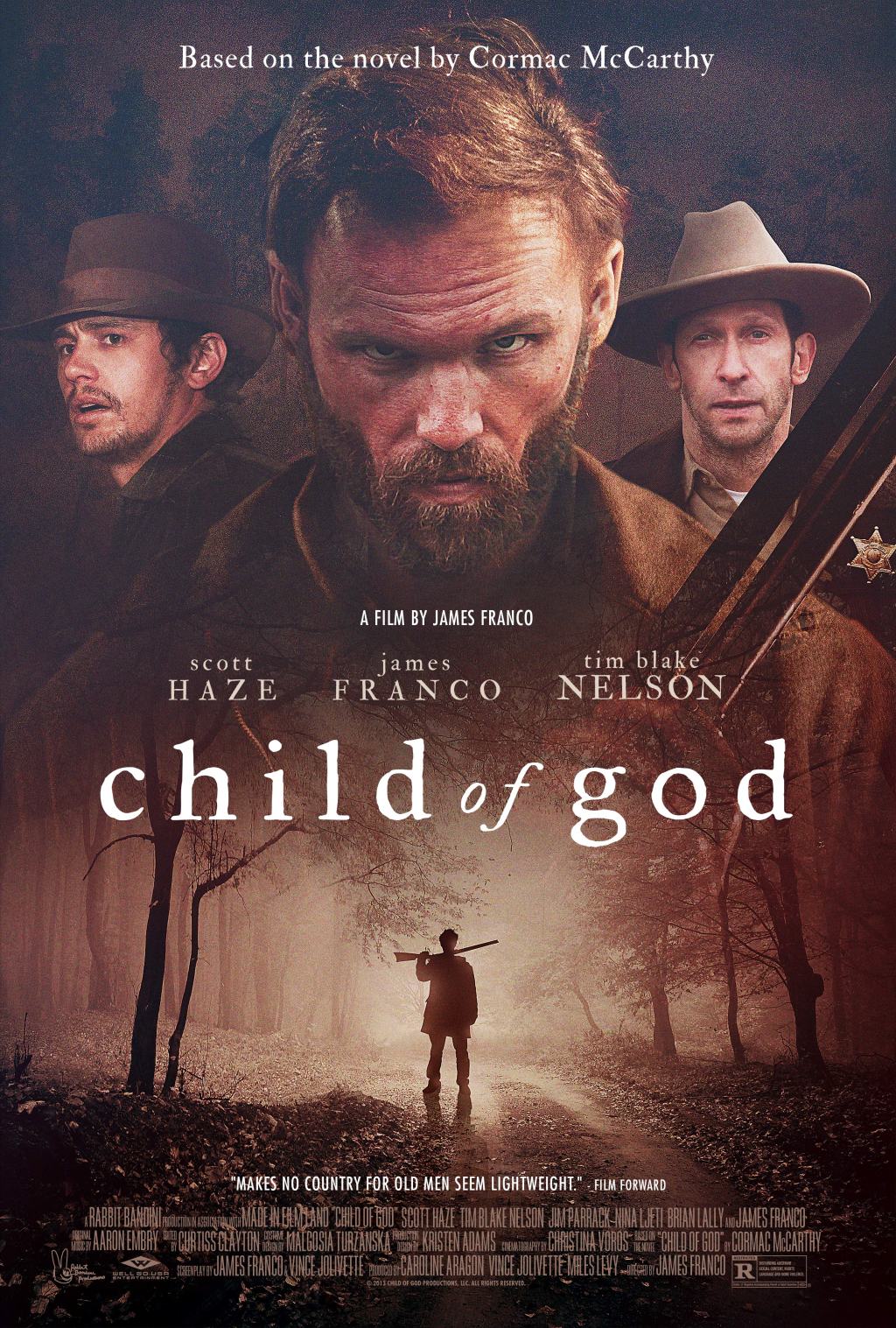
1960s, Tennessee. Lester Ballard is a violent, solitary and introverted young backwoodsman, dispossessed on his ancestral land. Homeless, indulging in voyeurism, he is accused of rape.
When he is released from jail, he begins to haunt the hilly landscape – preying upon its population, unleashing his impulse for sexualised violence.
Commonplace humanity becomes grotesque and, as the story hurtles toward its unforgettable conclusion, McCarthy depicts the most sordid aspects of life with empathy and lyricism.
I had the pleasure of listening to the audiobook and I loved the southern accents, the western vibes. I didn’t even know that the book was set in the 1960’s – it could have worked just the same in 1860’s or 1820’s.
It’s quite small compared to some other of McCarthy’s work – like Blood Meridian, averaging only 192 pages (or about 4hrs of audiobook content). Despite its reduced format, it’s very lyrical.
“At one time in the world there were woods that no one owned”
The people in the book are all like rednecks, breeding like rabbits, having sex in the bushes, rapings and other vile violent acts are everywhere. And the n* word is spread like a plague all across this book. I was trying to figure out who exactly was a child of God in the book – a priest? a lost orphan? Instead the main character is a serial killer who doesn’t shy away from Necrophilia and has no qualms in inserting himself in a woman whose lover he chased off.
“You think people was meaner then than they are now? the deputy said.
The old man was looking out at the flooded town. No, he said. I don’t. I think people are the same from the day God first made one.”
This as dark and as brutal as McCarthy gets. Despite the antihero’s deviant and shocking acts, you still feel a degree of pity for him as society continually rejects him, though this doesn’t justify what he does. This has been adapted into a 2013 movie (https://www.imdb.com/title/tt1951095/)
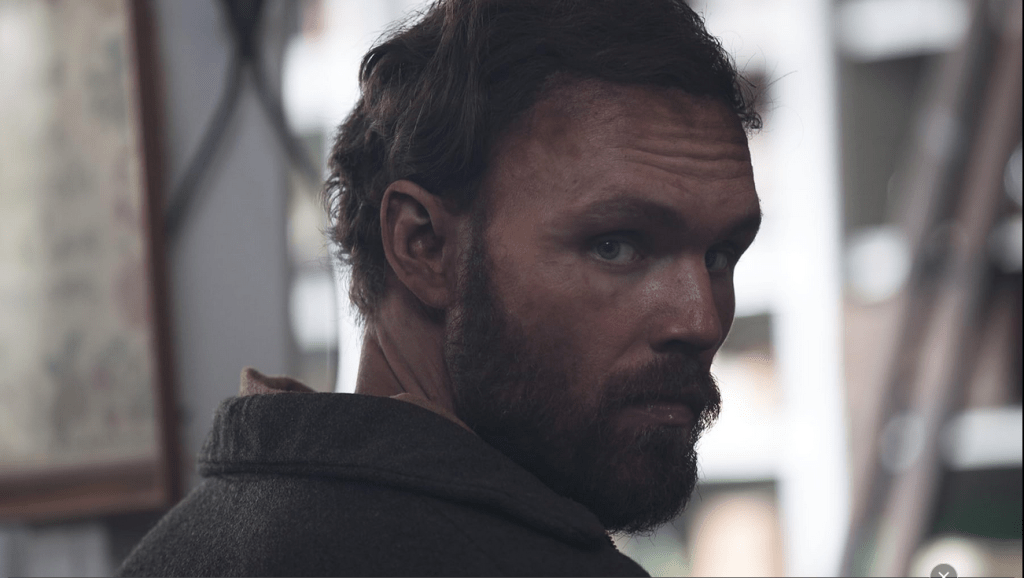
“He dreamt that night that he rode through the woods on a low ridge. Below him he could see deer in a meadow where the sun fell on the grass. The grass was still wet and the deer stood in it to their elbows. He could feel the spine of the mule rolling under him and he gripped the mule’s barrel with his legs. Each leaf that brushed his face deepened his sadness and dread. Each leaf he passed, he’d never pass again. They rode over his face like veils, already some yellow, their veins slender like bones where the sun shone through them. He had resolved himself to ride on for he could not turn back and the world that day was as lovely as any day ever was and he was riding to his death.”
Lester Ballard is a peculiar individual, a marginal figure. Armed with his rifle, which he never leaves, almost the extension of his arm, he wanders in the forest. Half-wild, a little crazy, Vagabond lives in a cave, hunting squirrels for food. And sometimes, it takes him; he kills. He kills strangers for whom an unfortunate chance places on his way without effect, emotion, or anger. He shoots, driven by his instinct, an animal instinct. And sometimes, he relieves his frustration on the corpse of a woman. But, as Lester Ballard moves away from civilization, alone and miserable, with more and more animals, he sinks into madness.
It would have become vulgar and easy if another person had treated this theme. However, Cormac McCarthy is not just any writer. McCarthy is a demanding author.
His story is dark, gloomy, and desperate, but he never falls into the secure trash and lust. There is no linear plot. Instead, the story resembles the life of Lester Ballard, a wanderer aimlessly guided by chance. McCarthy handles the art of the ellipse correctly.
McCarthy’s writing is stripped-down, straightforward, and beautiful in simplicity. Yet, under his pen, ugliness is sublimated, and the sordid is born with intense poetry and violence, which is the nature he describes so well.
“To watch these things issuing from the otherwise mute pastoral morning is a man at the barn door. He is small, unclean, unshaven. He moves in the dry chaff among the dust and slats of sunlight with a constrained truculence. Saxon and Celtic bloods. A child of God much like yourself perhaps. Wasps pass through the laddered light from the barnslats in a succession of strobic moments, gold and trembling between black and black, like fireflies in the serried upper gloom.”