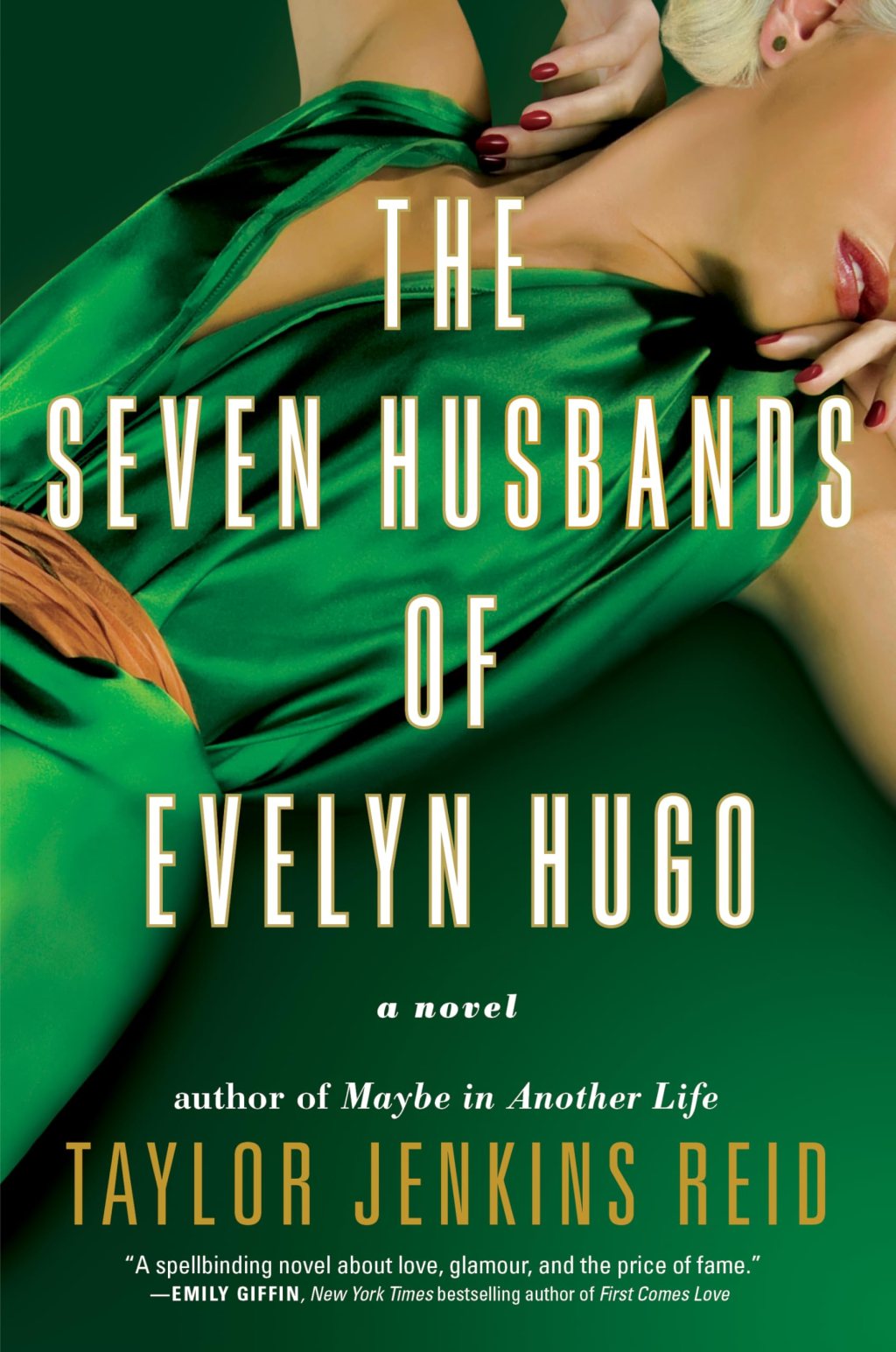
Took me forever to finish this book – not because it wasn’t good, but because it was kinda boring. I was expecting a more dramatic pay-off at the end of the wait, and I was sorely disappointed.
The book follows a young aspiring writer as she goes from taking an interview of a very famous septuagenarian actress (nearly octogenarian) to taking notes for a future bestseller novel containing her memoirs.
Evelyn Hugo, star in the 1950’s, 1960’s, bombshell of the 1970’s and then Oscar winner in the 1980’s, narrates her life from the point she leaves Hell’s Kitchen and arrives in Hollywood. We get to see her life as she goes from adoring Housewife to charmer Don Adler – to falling in love with a woman she met on set of Little Women. This love will go through 6 more marriages and in the end, they do end up together in Spain, only for her love, Celia, to die at 60 of a pulmonary disease.
It was an interesting read but nothing like the Joan Rivers type of scandalous writing on Hollywood scandals and marriages and divorces. All I could see was a woman determined to do whatever it takes to climb all the way to the top on the social ladder and complain she wasn’t taken seriously for Oscars because there were scenes with nudity in which she let her passion show.
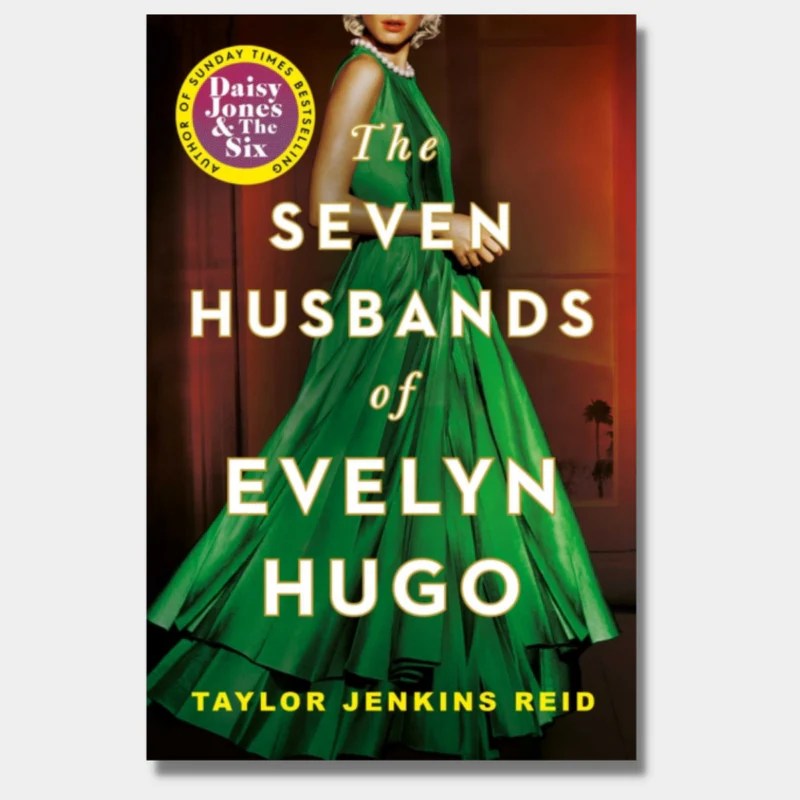
There are people who see a beautiful flower and rush over to pick it. They want to hold it in their hands, they want to own it. They want the flower’s beauty to be theirs, to be within their possession, their control. Don wasn’t like that. At least, not at first. Don was happy to be near the flower, to look at the flower, to appreciate the flower simply being.
If you can’t stomach domestic abuse and cheating, this book is probably not for you. The insights that Evelyn provides on her failing marriage is a common story many DV victims tell when they reach safety and it takes on average 7 attempts to leave an abusive situation.
A MAN HITS YOU ONCE and apologizes, and you think it will never happen again.
But then you tell him you’re not sure you ever want a family, and he hits you once more. You tell yourself it’s understandable, what he did. You were sort of rude, the way you said it. You do want a family someday. You truly do. You’re just not sure how you’re going to manage it with your movies. But you should have been more clear.
The next morning, he apologizes and brings you flowers. He gets down on his knees.
The third time, it’s a disagreement about whether to go out to Romanoff’s or stay in. Which, you realize when he pushes you into the wall behind you, is actually about the image of your marriage to the public.
The fourth time, it’s after you both lose at the Oscars. You are in a silk, emerald-green, one-shoulder dress. He’s in a tux with tails. He has too much to drink at the after-parties, trying to nurse his wounds. You’re in the front seat of the car in your driveway, about to go inside. He’s upset that he lost.
You tell him it’s OK.
He tells you that you don’t understand.
You remind him that you lost, too.
He says, “Yeah, but your parents are trash from Long Island. No one expects anything from you.”
You know you shouldn’t, but you say, “I’m from Hell’s Kitchen, you asshole.”
He opens the parked car’s door and pushes you out.
When he comes crawling to you in tears the next morning, you don’t actually believe him anymore.
That being said, Evelyn seems to have picked a few men who were with her for her looks and fame rather than who she really was, with the exception of Harry.
“You’re the most beautiful woman here,” Don said into my ear as I stood next to him. But I already knew he thought I was the most gorgeous woman there. I knew, very acutely, that if he did not believe that, he would not have been with me.
Men were almost never with me for my personality.
I’m not suggesting that charming girls should take pity on the pretty ones. I’m just saying it’s not so great being loved for something you didn’t do.
The love story with Celia was also very nice to read about – a taboo subject in most of Hollywood nearly 70 years ago, it has become acceptable with time and rise in equal rights demands.
People think that intimacy is about sex.
But intimacy is about truth.
When you realize you can tell someone your truth, when you can show yourself to them, when you stand in front of them bare and their response is “You’re safe with me”—that’s intimacy.
And by those standards, that moment with Celia was the most intimate one I’d ever had with anyone.
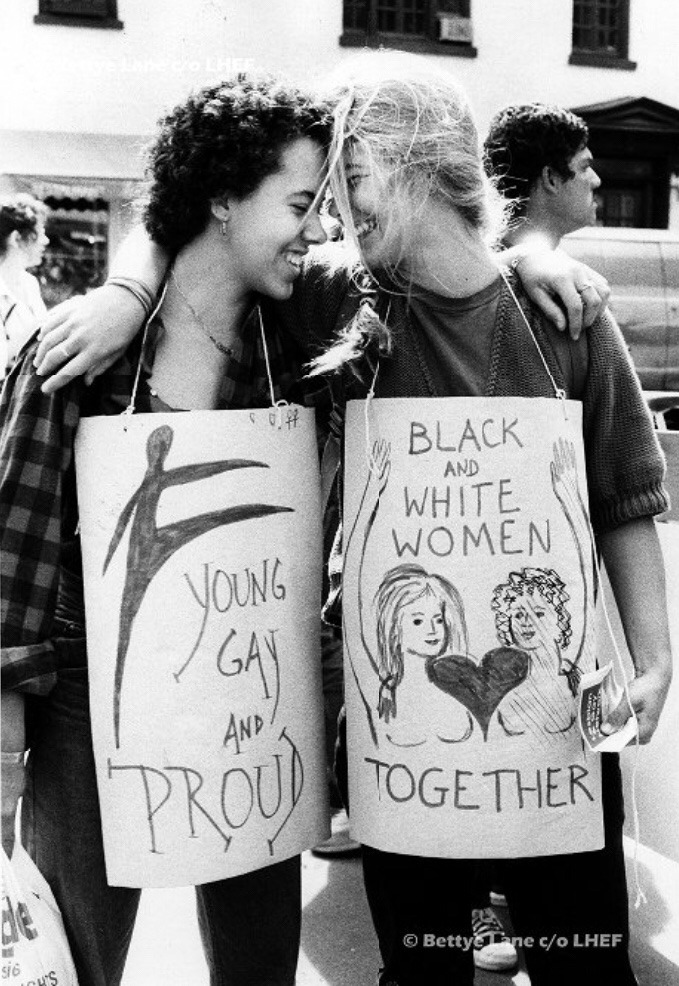
“I loved you so much that I thought you were the meaning of my life,” Celia said, crying. “I thought that people were put on earth to find other people, and I was put here to find you. To find you and touch your skin and smell your breath and hear all your thoughts. But I don’t think that’s true anymore.” She wiped her eyes. “Because I don’t want to be meant for someone like you.”
Eh, If you want to read about shallow people making shallow decisions, this is the book for you. The sexuality exploration and the historical parts felt forced and rushed in sections and you kinda get an icky feel when reading about how she just uses people to get what she wants. Mediocre.