He was not a timid man. He’d hunted bear in Colorado without the benefit of a guide. He’d fished alone in a rowboat in a gale off the coast of Oregon. He’d lived half his life out of doors with nothing but a saddle blanket and a knife between himself and the wild. But the sound of that creature or demon or whatever it was up there on the Rim made him want to pack up his bags and hightail it back to civilization.
Demon?
He was not superstitious. But neither was he so closed minded that he refused to deny the possibility that there were things in this world he did not understand. Hell, the Bible talked of demons. And who was he to contradict the Good Book?
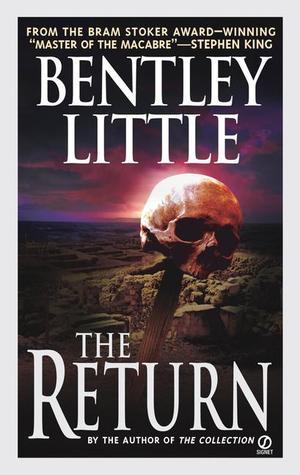
I love myself a good horror book in the spooky month. And Bentley Little has been prolific almost as much as Stephen King has and has delighted me with horrors ranging from haunted houses to resorts. He has a way of portraying an alternate reality which not only seems plausible, it seems like a slightly shifted version of our own.
Reality, she understood now, was not solid and dependable, as most people thought, as she’d always thought. It was ever fluid, shifting.
The book at hand deals with some prehistoric remains that were being dug up in America in the desert, slowly coming back to life, pointing to a civilisation that was nearly 2000 years old. The Anasazis. I’ve read about them before and Neil Gaiman had a lovely book called Anasi Boys – Neil Gaiman and now that I think about it – that book had nothing to do with this.
Back to the story.
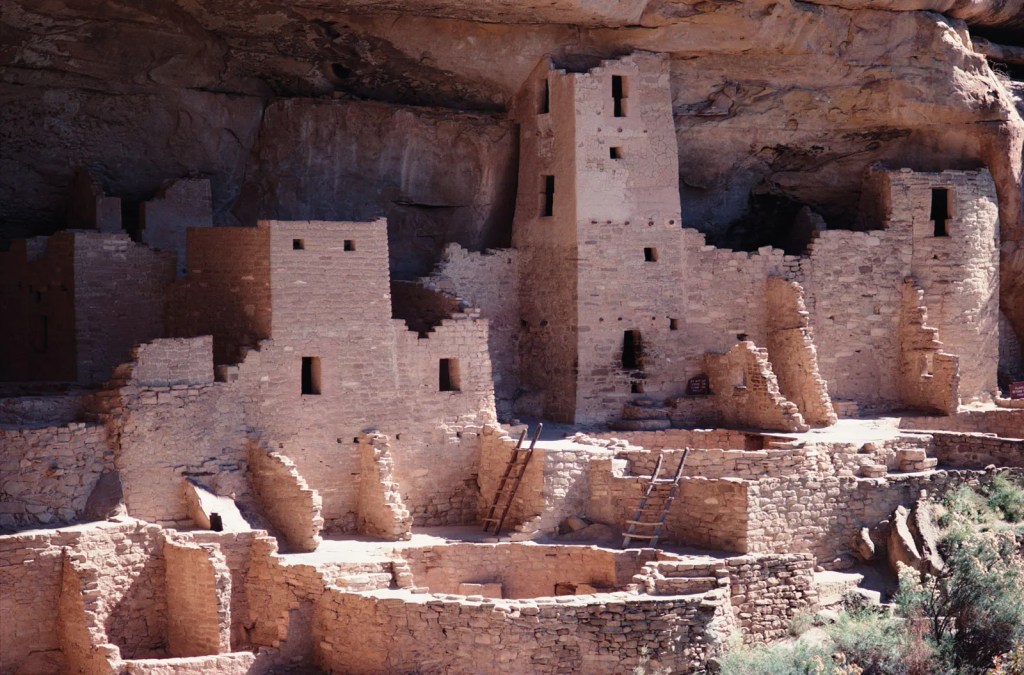
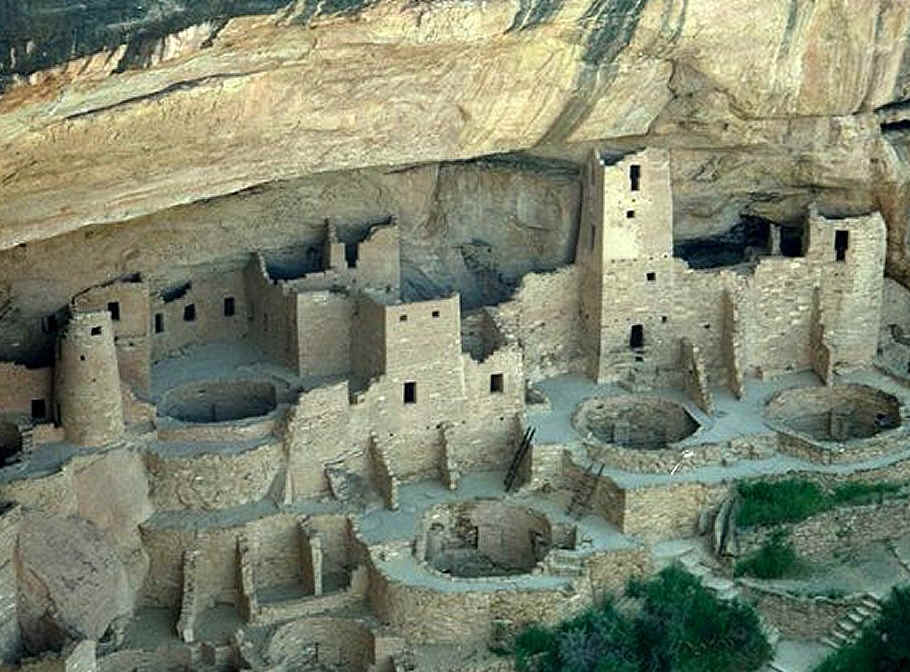
“The Anasazis were the North American equivalent of the Mayas, Incas, and Aztecs, a highly evolved, highly civilized people who created a sophisticated culture. They lived in great cities. Mesa Verde, in Colorado, for example, was home to some seven thousand people.“The word ‘Anasazi’ means ‘the ancient ones’ in Navajo. It’s a reference to the fact that they were a people whose existence had passed into the realm of myth. The dominant culture in what is now the Four Corners states, the Anasazi disappeared sometime in the thirteenth century, abandoning their big cities much like their South American counterparts. Fiction writers have tried to portray this disappearance in a mysterious light, as though it occurred overnight, as though one morning everyone suddenly vanished. But most archeologists believe that a prolonged drought led to a gradual migration of the people, who scattered throughout the Southwest, reconvening in smaller, more easily sustainable communities, primarily the pueblos of northern New Mexico.
There is a pattern of civilization abandonment, for want of a better term, throughout the Americas. The Mayans, in fact, disappeared at almost the same time, in nearly the same way, as did the Anasazi. The assumption has always been that wars and environmental factors fragmented these civilizations, that the people scattered and the smaller tribes which came afterward were all descended from these great cultures. But the thing is, none of these tribes exhibited the same mastery of art, science, and mathematics as did their supposed forebears. There were similarities, sure, but more the copycat attempts of a less talented people than the legitimate inheritance of true descendants
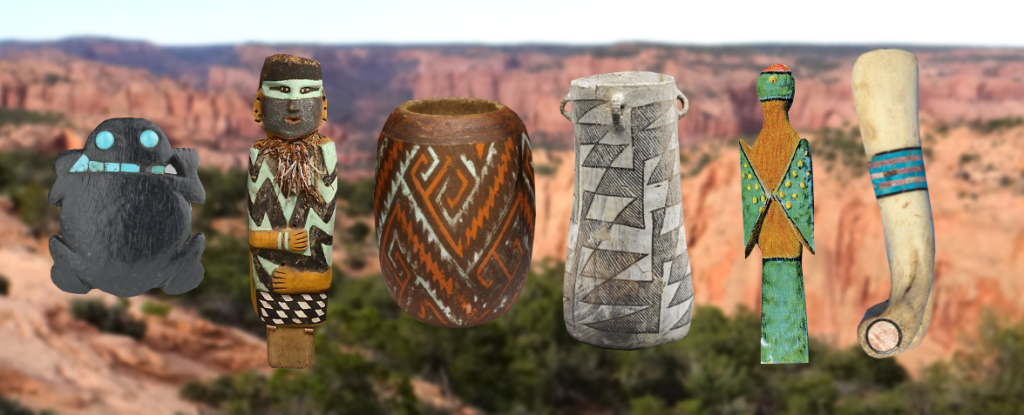
In Africa, in Scandinavia, in Asia, people could dig down into the earth and find the bones and artifacts of their ancestors. And their ancestors before that. And their ancestors before that. All the way back to the beginning of time. But the Americas were not like that. Even before the British, this had been a continent of serial conquerors, and digging into the earth brought up only the remnants of defeated cultures and dead civilizations.
So what’s the book all about? It can’t be just an archaeological dig story where the main character accidentally unleashes an old curse, or can it? Yep, that’s exactly it. An ancient blood-thirsty mummy comes back slowly to life – demon or god, asking for people to pray to it, build it shrines. It also makes people behave weirdly and kills off entire villages via earthquakes.
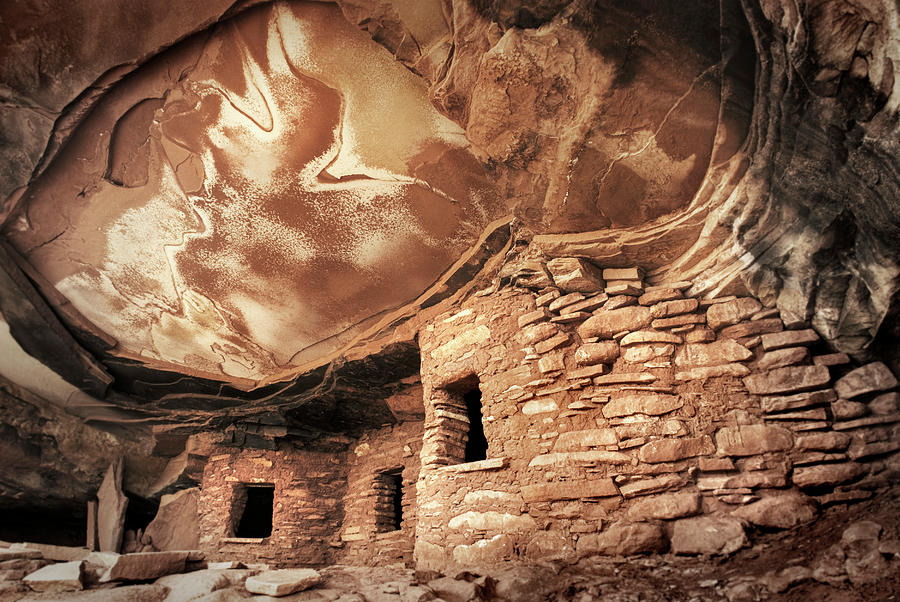
“You know, the past doesn’t die. It’s with us all the time. The sins of the father and all that.” She looked down at the ground, at the imprint in the cement. “I’ve thought sometimes that maybe that’s why I teach history, why I spend my summers doing these amateur archeological things. Maybe I’m just trying to understand why we’re such slaves to what went before.”
The book was good but much as most Bentley Little stories, it would have done better in a shorter format. After a while I stopped caring where the people went and who they met with and what they did. The final battle between good and evil was literally 2 pages long and not far off from the end. Made me feel like I’ve somehow been cheated from a masterful battle between the modern and the old – instead they used a generator to kill off the symbols powering the mummy – because listen to this – mummies did not have electrical fields in ye old times. Silly plot line but at least it’s not bacteria from water (The War of the Worlds * H.G. Wells).
I loved the Anasazi mystery plot and the foray into the unknown but the rest of the book fell a bit flat. With the exception of a very horrific scene where a guy decides to roast a child (dead) and eat it.