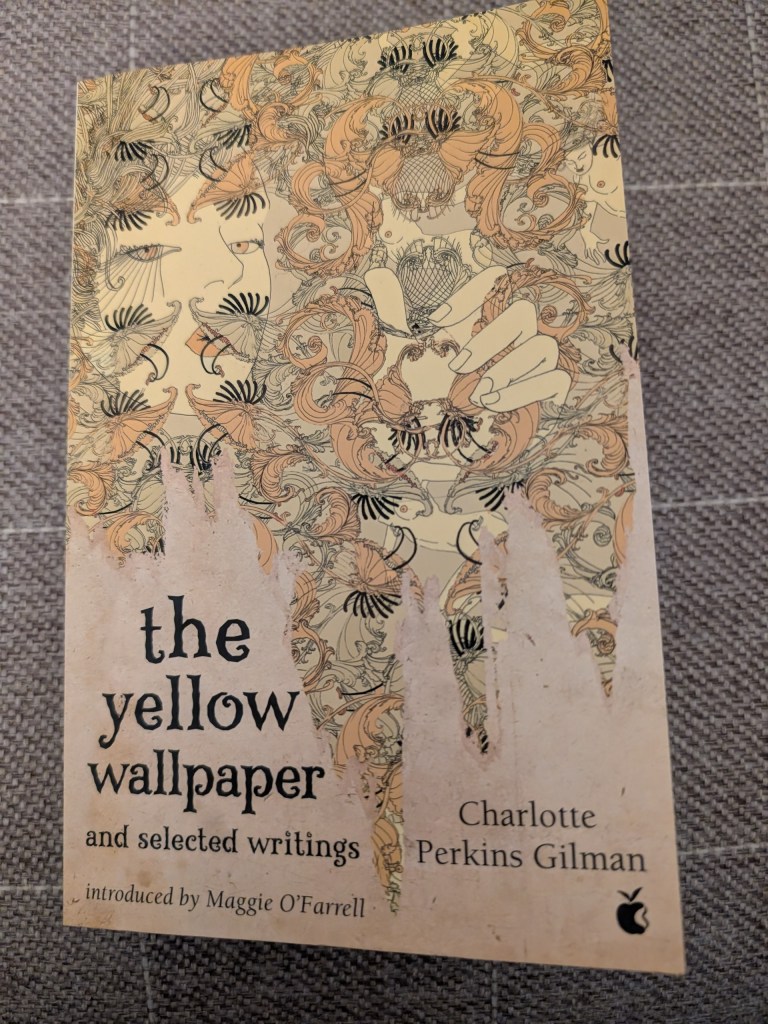
Based on the author s own experiences, ‘The Yellow Wallpaper’ is the chilling tale of a woman driven to the brink of insanity by the rest cure prescribed after the birth of her child. Isolated in a crumbling colonial mansion, in a room with bars on the windows, the tortuous pattern of the yellow wallpaper…
Based on the author s own experiences, ‘The Yellow Wallpaper’ is the chilling tale of a woman driven to the brink of insanity by the rest cure prescribed after the birth of her child. Isolated in a crumbling colonial mansion, in a room with bars on the windows, the tortuous pattern of the yellow wallpaper winds its way into the recesses of her mind. Charlotte Perkins Gilman was America s leading feminist intellectual of the early twentieth century. In addition to her masterpiece, ‘The Yellow Wallpaper‘, this new collection includes a selection of her best short fiction and extracts from her autobiography.
I had this book on my reading list for a very long time. What I didn’t expect was its length. It was only 23 pages long! It was really a short story but so well written.
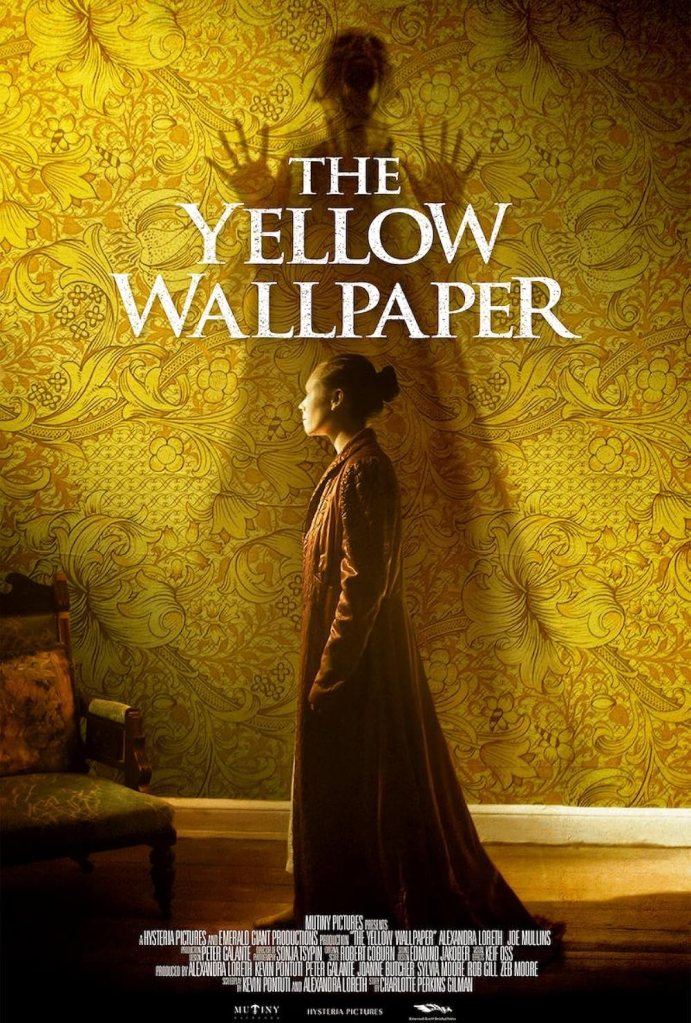
It had so many attempts at an adaptation and not many good ones, they mostly struggle to really get what a woman feels like when she struggles with a bout of post-natal depression.
“It is the same woman, I know, for she is always creeping, and most women do not creep by daylight.”
Postnatal depression (PND) is a mood disorder that can affect women during pregnancy or in the first year after giving birth:
Symptoms PND can include:
Extreme sadness, low energy, anxiety, crying episodes, irritability, and changes in sleeping or eating patterns
Feeling guilty, irritable, and angry
John doesn’t know how much I really suffer. He knows there is no reason to suffer, and that satisfies him. It is getting to be a great effort for me to think straight. Just this nervous weakness I suppose.
Panic attacks Overwhelming fears, such as about your baby dying Recurring thoughts about harming your baby Loss of appetite Poor concentration Problems sleeping Being agitated Feeling confused and lost Having obsessive thoughts about your baby Hallucinating and having delusions
When it can happen
PND can start at any point in the first year after giving birth, and can develop suddenly or gradually. About a third of women with PND have symptoms that started in pregnancy and continue after birth.
How it’s different from “baby blues”
“Baby blues” is a term used to describe mild and short-lasting mood changes that many women experience in the first 2 weeks after giving birth.
Nobody would believe what an effort it is to do what little I am able, – to dress and entertain, and order things
How to get help
You can contact a GP, or call 111, immediately if you have frightening thoughts about hurting your baby, are thinking about suicide and self-harm, or develop unusual beliefs or hallucinations. You can also talk to your partner, friends, and family to help them understand how you’re feeling.
I cry at nothing, and cry most of the time.
Women are pretty much people, seems to me. I know they dress like fools – but who’s to blame for that? We invent all those idiotic hats of theirs, and design their crazy fashions, and what’s more, if a woman is courageous enough to wear common-sense clothes – and shoes – which of us wants to dance with her?
I think I know why it shook so many people, despite its short form. It spoke to the thousands of women misunderstood in their own homes, in their own marriages.
John laughs at me, of course, but one expects that in marriage.
By speaking of her own private world, Charlotte gave voice to the ones who couldn’t express that their own worlds of isolations were very similar. That their fathers and husbands and brothers would rather lock them away until they are better than address the issues that cause it.
Women’s mental problems have always been dismissed as hysteria, from the beginning of time. It is this overwhelming diminution of mental problems that led to so many being institutionalized in the past, and it is the reason why the repressed Victorian woman was such a tremendous symbol of the age.




 One Book a Week (Julia Reads Books)