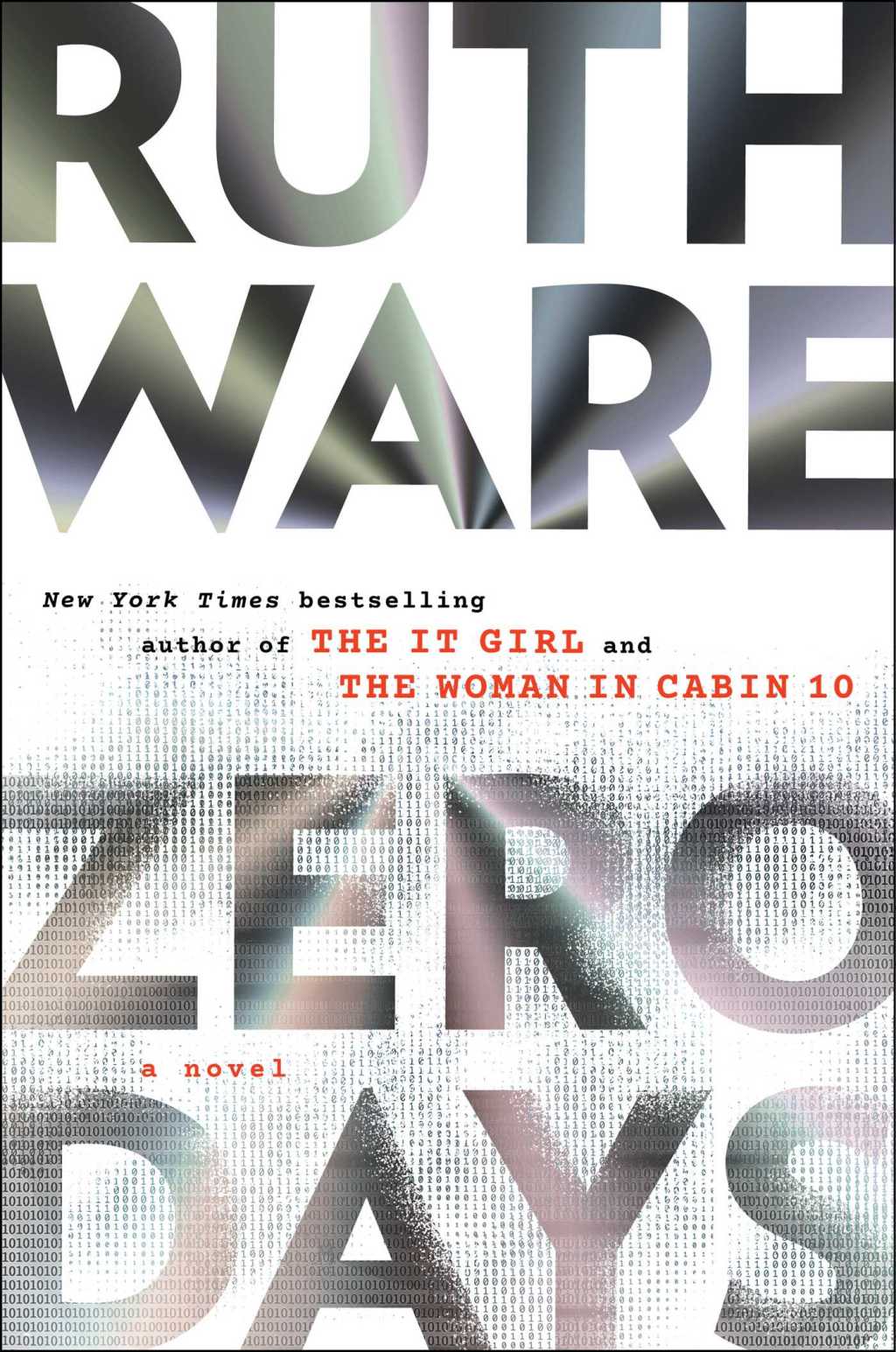
I got so excited to read something else from Ruth Ware after “The turn of the key” and was hoping it will be another thriller to keep me at the edge of my seat. I think I picked the wrong book.
I like cybersecurity, and I’m a woman who has dealt with Zero Day attacks, DDOS and other lovely ways you can bring a system down.
But this book was so filled of contradictions and “twists” that I could see coming a mile away, it certainly took some of the fun away from the game.

Hired by companies to break into buildings and hack security systems, Jack and her husband, Gabe, are the best penetration specialists in the business. But after a routine assignment goes horribly wrong, Jack arrives home to find her husband dead. To add to her horror, the police are closing in on their suspect—her.
Suddenly on the run and quickly running out of options, Jack must decide who she can trust as she circles closer to the real killer.
First rule of social engineering: stay pleasant and others are much more likely to do the same. But this was bloody annoying. What was the point of having a get-out-of-jail-free card if the guarantor didn’t pick up? “I can assure you he knows all about this and can vouch for me.”
For an expert at social engineering, she makes mistakes, she’s busted and in jail just during the first chapter. How did they even stay in business?
I’d been caught as a result of my own mistakes rather than any particular professionalism on the part of the guards. I’d been an idiot to snap that ceiling tile and an even bigger idiot to leave my car parked out front of the very building I was burgling—if I hadn’t done that I could probably have got in and out without being caught, even though they should have seen me on the monitors, or had some kind of alarm in place on the fire doors. You shouldn’t be able to open multiple fire exits after hours, undetected. I was going to have to ream them a new one in my report and fess up to my own incompetence. A double whammy of unpleasantness, and very likely my stupidity in getting caught would distract from the very real holes in their security and provide plausible deniability for what was, after all, a pretty sloppy setup.
At least she admits it! And when the reveal about her husband’s murder comes to light I needed to go and bang my head against a wall.
“If it were me,” Hel said now, “if I were running some criminal gang, or some shady government hacking firm—I wouldn’t be putting pressure on Apple or Google to hand me the keys to the kingdom. I mean, sure, I’d try—wasn’t there a case where the NSA told Apple to build a back door so they could get into some terrorist’s iPhone? But Apple told them to fuck off, if I remember right. Because they could. They’re bigger than any government, and they have more to lose by forfeiting their customers’ trust than they do from pissing off the US security agencies. No, if it were me, I’d be going straight to the engineers. And not the ones at Apple, but the guys at the medium-size firms, the ones in charge of the small but popular apps. I’d be encouraging them to make their apps ask for all the permissions they could: Camera. Microphone. Files. Call list. Exact geographical location. And then I’d put on the pressure and make them build a back door to send that information straight to me. Because those people—individuals with families they care about and bills to pay—they can be bought. Or coerced.”
Oh no! Big Corporate America or big Security Agency is behind the murder!
Whoever the individuals were behind the Puppydog hack, they were just one part of a vast dark web of unseen players, a network that encompassed everyone from national security agencies to organizations like the Lazarus Group, right through to some kid in his bedroom in Canada or Poland or Bangladesh, pressing buttons and causing havoc because he could, just like Gabe had once done. And yes, they could be fought, maybe some individuals might even be arrested, but you might as well try to prosecute cancer. They would always exist. Slippery, shadowy, forcing their way through the cracks in our online security and the doors we left open for them in our digital lives.
Urgh. This book was bad. Bored through most of it (though I enjoyed that the setting was in the UK for once), disapointed in the weak-ass murder motive and all the tech jargon who would have probably confused a less-techy person. Not for me.
 One Book a Week (Julia Reads Books)