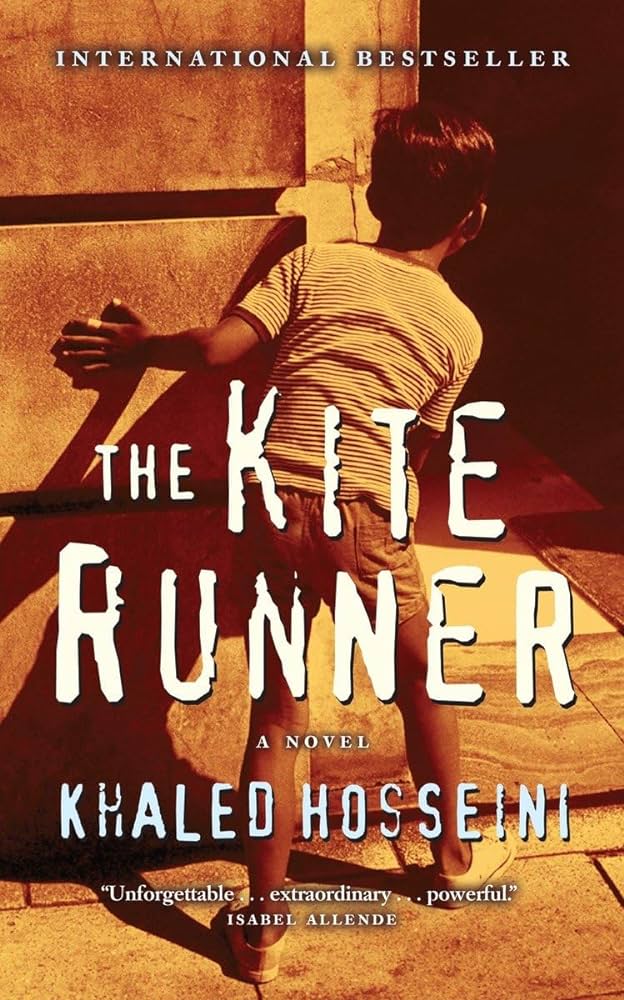
1970s Afghanistan: Twelve-year-old Amir is desperate to win the local kite-fighting tournament and his loyal friend Hassan promises to help him. But neither of the boys can foresee what would happen to Hassan that afternoon, an event that is to shatter their lives. After the Russians invade and the family is forced to flee to America, Amir realises that one day he must return to an Afghanistan under Taliban rule to find the one thing that his new world cannot grant him: redemption.
“There are a lot of children in Afghanistan, but little childhood.”
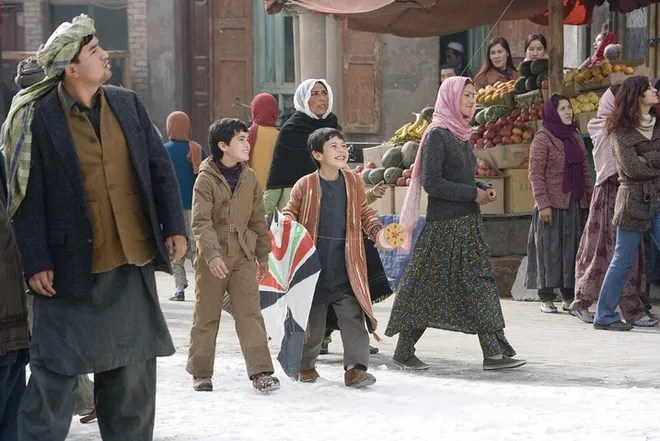
I’m sad I didn’t review this quicker. I’ve read it back in January and only saw the movie version last night and while they were true to most of the book’s aspects, the running of the kites, the good muslims, bad muslims divide, it did show me a life before the Taliban in Afghanistan – a hint of success and comfortable life, and I loved Amir’s dad for being such a good man. The son, not so much.
“I want to tear myself from this place, from this reality, rise up like a cloud and float away, melt into this humid summer night and dissolve somewhere far, over the hills. But I am here, my legs blocks of concrete, my lungs empty of air, my throat burning. There will be no floating away.”
He’s cowardly, much like the other boy I found so distasteful in “In the country of men * Hisham Matar (2006)“. But, as foreshadowed in the small story he wrote when he was practicing, Amir knows that a sad story makes a good book and a good book will sell.
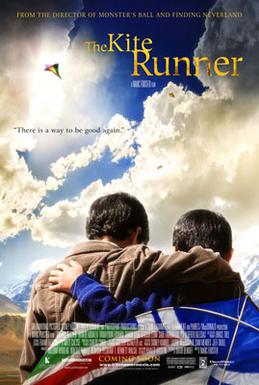
The Kite Runner, but utilizes an attempt to direct Amir towards a path of atonement, while sticking to a more realistic ending. Had it not been for Hosseini’s unique narrative, Amir’s character could have turned far more contemptible.
“That’s the real Afghanistan, Agha sahib. That’s the Afghanistan I know. You? You’ve always been a tourist here, you just didn’t know it.”
The writing style is somewhat simple, but I believe most readers would be too absorbed in the plot to notice it. If anything, it felt more appropriate, reducing distractions from the flow of the story. But the plot, and the characters make up perfectly for any other shortcoming in my opinion. I wouldn’t call this an emotional rollercoaster, for, the majority of the emotions include regret, disappointment, sadness, fear, anger, privation but very little happy ones. But all this helped the book become more moving. I usually don’t enjoy books with sad endings but this one was definitely an exception, and worth all the heartbreak.
“Better to get hurt by the truth than comforted with a lie.”
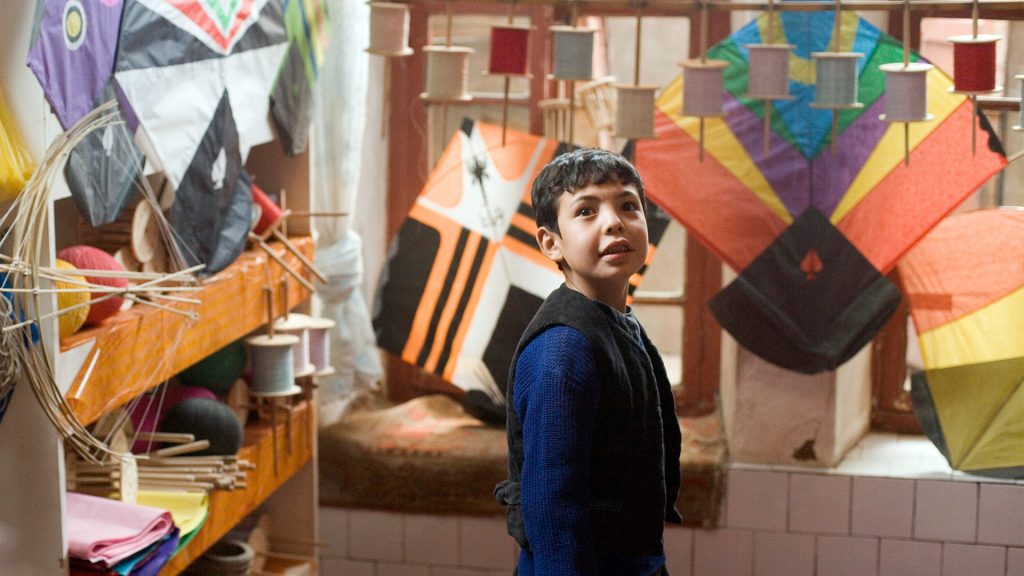
Personal note: I cried when the scene with the SA of Hassan happened and the aftermath. Poor, poor boy.
 One Book a Week (Julia Reads Books)