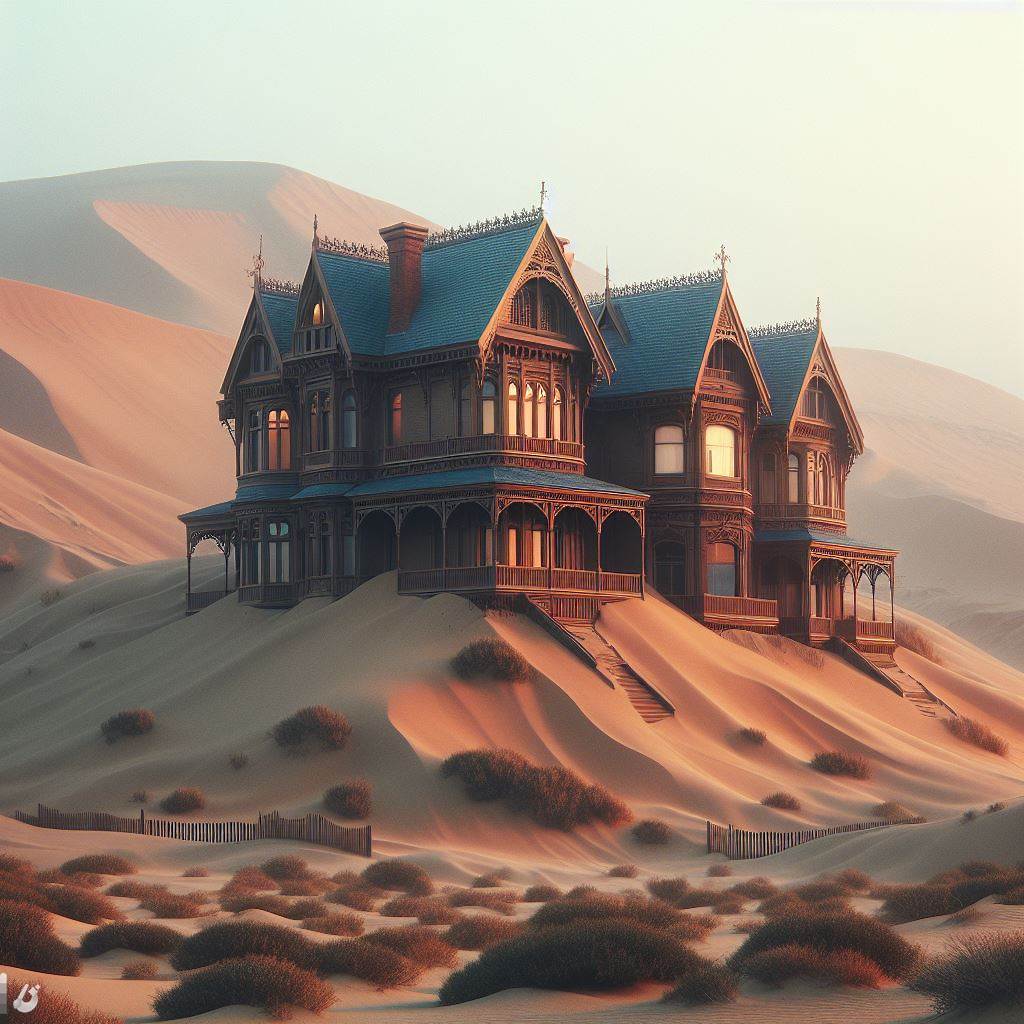
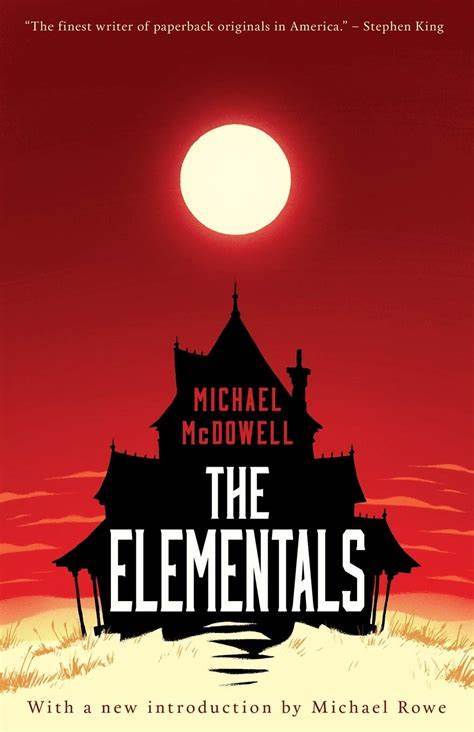
I found this book on a horror subreddit and I thought I’d give it a go. I had the audiobook version narrated by the most even-toned reader I could find. Booooring. The story happens in an arid desert, on a split of land cut off by the Gulf, inside three Victorian summer houses. The sand could be a character as it’s ever approaching, ever encroaching, present like a silent actor in every scene. There’s even white sand in the sugar.
Two of the houses at Beldame are still used. The third house, filling with sand, is empty… except for the vicious horror which is shaping nightmares from the nothingness that hangs in the dank, fetid air.
The McCrays and Savages, two fine Mobile families allied by marriage, have been coming to Beldame for years. This summer, with a terrible funeral behind them and a messy divorce coming up, even Luker McCray and little India down from New York are looking forward to being alone at Beldame.
But they won’t be alone. For something there, something they don’t like to think about, is thinking about them… and about all the ways to make them die.
I found the book boring for the most part, the first half focusing on what life is like in a small town, away from people, why people decided to move out and go to New York. It shows Southern food, daily life in the high heat and troves of superstitions at play. I loved the scene where they used seeds to make wheat grow in the sand with blood instead of water and how they made bagels of the wheat that grew to full size in under a day.
To have a family is real strange,” said India thoughtfully. “All these people you wouldn’t have anything to do with except that they’re related to you.
The story is really about torment, about the unknown, about what you fear most – which is what I suppose any good horror book should be about. But this fear exploration is more humane for the first part of the book – with glimpses rather than full views and odd photographs and footprints in the sand.
It’s only towards the second half of the book where the sand takes over and the Elementals appear. What are the Elementals? Old, old spirits, not malicious and not good, they don’t haunt and they don’t wreak havoc. They just exist and if you happen to exist in the same space as they are, you will see them.
What’s in that house, child, knows more than you know. What’s in that house don’t come out of your mind. It don’t have to worry ’bout rules and behaving like a spirit ought to behave. It does what it does to fool you, it wants to trick you into believing what’s not right. It’s got no truth to it. What it did last week it’s not gone be doing today. You see something in there, it wasn’t there yesterday, it’s not gone be there tomorrow. You stand at one of them doors thinking something’s behind it—nothing’s behind it. It’s waiting for you upstairs, it’s waiting for you downstairs. It’s standing behind you. You think it’s buried in the sand, why then, it’s gone be standing behind that door after all! And you don’t ever know what it is you looking for. You don’t ever know what it is you gone see! Wasn’t no ghost you saw, wasn’t Martha Ann.
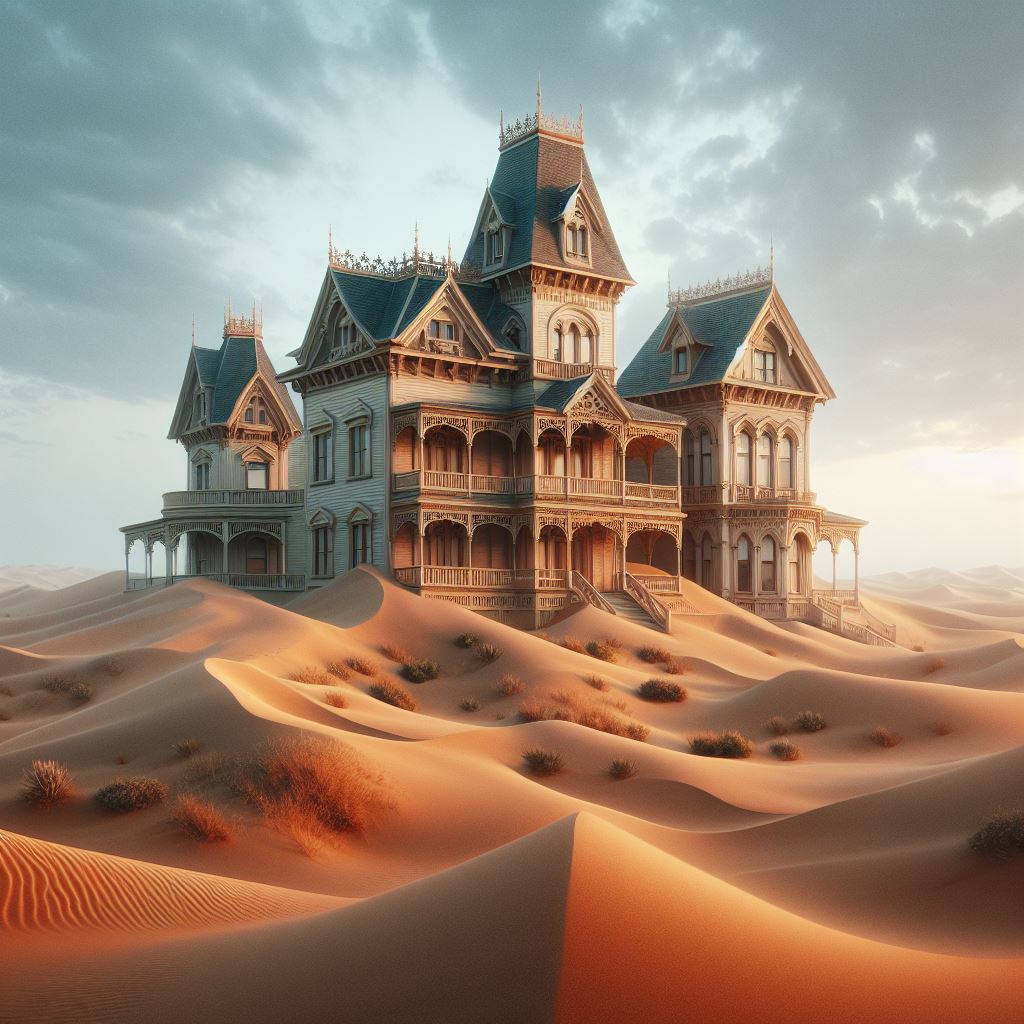
Good bits: The author is very descriptive with his narration. I could see the houses in my mind’s eye and I knew instinctively that Odette was a person of colour without the monotonous voice actor actually indicating it. I loved the description of the “screaming sun rays” or something similar. Why would the sun scream? I can see it might be used to show high heat but still, very, very good metaphors.
I also noticed there’s a distinct lack of technology – there’s no computers, phones, fax or anything to indicate whether this was happening in the 1920’s or 1980’s Southern America.
India had previously entertained no sympathy for the Southern way of life, with its pervasive friendliness, its offhanded viciousness, its overwhelming lassitude
The bad bits: Nothing really happens for 70% of the book. All of the action is in the last few pages.
 One Book a Week (Julia Reads Books)