Woop woop! Another book finished just before the year is over. This time, it’s Bentley Little’s The Academy, a book written as a cricisim to Charter schools all across America and a close-up on the educational system. What started as a free vote to increase teacher’s pay and the standards of teaching for the Tyler Academy, turned into a fascist mini-state ruled by a demon who instituted back the Hitler Youth (or Tyler Scouts) and who started a campaign to kill or remove all opposition.
Told from the perspective of a teacher, a student and a parent, the book is excellent. Horror mixed in with PTA meetings gone feral, rapes and intimidation tactics that even the KGB would frown on and my favourite – a secretary that is never happy.
I loved how the teachers, the people parents trust their children’s wellbeing with, turn into abusive monsters, hitting and kicking, demeaning and tearing down, all in the name of higher education.
And you are dumb! You’re just about the most ignorant, worthless piece of shit it’s ever been my misfortune to coach!” He swung his riding crop again, and this time it hit her. She cried out as the tip slammed into her shoulder. “Maybe you’ll remember better next time.”
He walked slowly down the central aisle of the class. “In the vascular plant body, the primary tissues are . . . what?” He slammed his crop down on Kirk New-comb’s desk.
“Primary xylem and primary phloem!”
“Yes.”
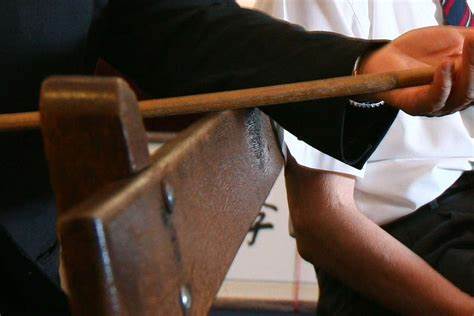
Where I grew up corporal punishment was still an elect for some rural places and I believe it’s still pretty much done in Catholic schools and Asian schools – more like a deterrent for rebellious kids than an enforcer for study for the rest. https://www.scmp.com/comment/letters/article/2020031/corporal-punishment-will-act-deterrent-hard-core-students
I liked the shrugging off of personal responsibility reminiscent of what the Nazi soldiers used to say when asked why they did certain acts during the second World War:
The school would get in trouble, not me. I’m just following orders.
The school pushed out children who were trouble-makers, who were from a poor socio-economic background or who performed poorly in class. Since the bottom line is that the school must show improved test performance in order to affirm their new Chartered status, the best way to do that is to keep the poor performers out (either they don’t take the tests or they don’t show up at school). Even the Simpsons had that idea (https://simpsons.fandom.com/wiki/How_the_Test_Was_Won). This type of discrimination (based on race, background or abled-body status would not be accepted in a district run school)
And I also liked the current representation (and very accurate as well) of the rat-race that parents subscribe to when sending their kids to school.
The truth was, she didn’t like a lot of the other parents she’d met at Tyler. There was a weird competitiveness among many of them, and within the insular world they inhabited, their status was far too dependent on the achievements of their children. There was a constant jockeying for position, with their kids’ grades, sports and extracurricular activities all used to determine who was top dog. And of course, no one had normal kids; none of their children could possibly be average. They were all gifted or special or exceptional—despite the fact that nearly all of them would eventually end up getting regular jobs and living in suburbia and having ordinary lives just like their parents.

Most parents feel that they contribute enough, they go to work, they send their kids to school, they provide them with money and support at home. But what The Academy talks about are the other parents, the ones that go the extra mile for their child. Do a bake sale, sale scout cookies, volunteer their time and money for the benefit of their child’s school. Sometimes taken to extremes like the nude art pose in the book.
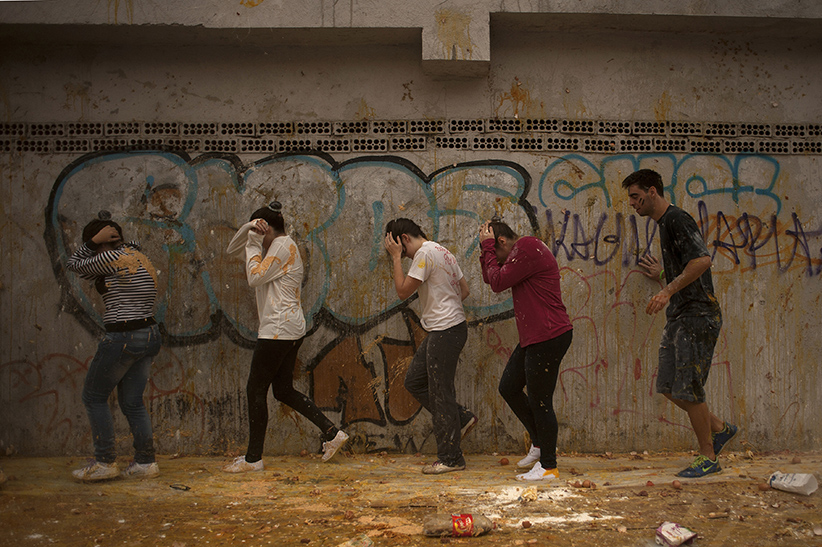
The students too – they are split. One side are taking it all in, as cruelty is sometimes a part of children’s growing up phases and nothing is crueller than a teenager with a bone to pick. Bullying each other and teachers alike, hazing rituals are only one small step away from torturing innocent animals (like poking a cow with a sword or throwing spears at chicken). I know it’s exaggerated greatly but it’s not too much of a stretch to think what peer pressure can do.
I liked the book. The ending not so much but hey, how do you terminate a Charter school and reset everything to how it used to be? Pretty hard. You fail the tests, you cut the financing, you remove the support.
Charter schools in real-life are pretty much like the demon-run ones in the book. They mess with their teacher’s rights and can dissolve unions which are there to prevent illegal curriculums or payment slashes. https://slate.com/business/2016/09/the-lengths-that-charter-schools-go-to-when-their-teachers-try-to-form-unions.html
https://honestproscons.com/pros-and-cons-of-charter-schools/
more than one in four charter schools closed after just five years. That’s less than the number of years it takes for a typical kindergartner to complete elementary school.
https://progressive.org/public-schools-advocate/charter-schools-have-failed-bryant-200817/
By using specific types of language in their promotional materials and by targeting those materials to specific audiences, charter schools often send a message that they are looking for a certain type of student. This is a way for charter schools to reach or appeal to a certain audience but not others, which in turn shapes who ends up applying to a given school.
https://theconversation.com/why-charter-schools-are-not-as-public-as-they-claim-to-be-168617

 One Book a Week (Julia Reads Books)