You’ve thought about your life and goals. You’ve run the numbers. You’ve crafted a plan that you can live with in good times and bad. You’ve stuck with the plan. Now, after all that hard work, you can sit back and enjoy.
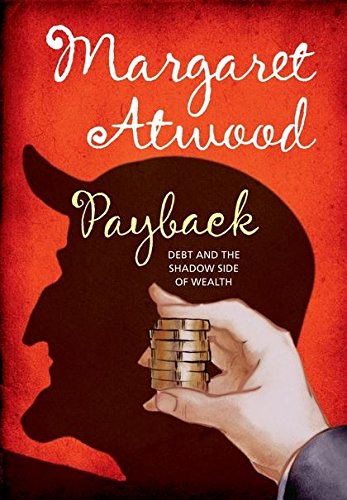
I love myself a good non-fiction from my favourite author. Margaret Atwood has been writing pretty amazing sci-fi, memoirs, poetry and art in form of written word but this specific book, Payback, was actually the one to get me motivated to put my finances in order.
Have you paid down your debt, amassed an emergency fund large enough to cover six to twelve months of expenses, and maxed out your retirement contributions. No? Then what are you doing reading this chapter? You shouldn’t even be thinking about investing unless you’ve tackled the Big Three.
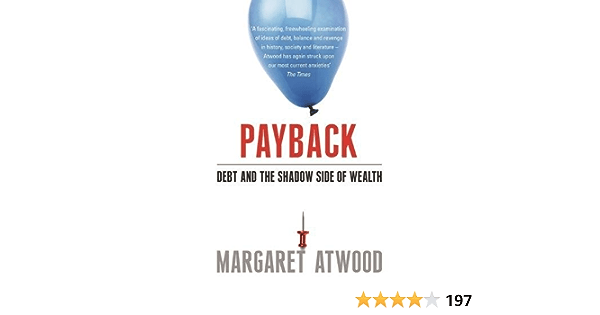
Payback is an intelligent, wide-ranging book that examines the metaphor of debt and the role it takes in our lives. “Debt” is like air – something we take for granted and never think about until things go wrong. This is not a book about debt management or high finance, but about debt as a very old, central motif in religion and literature and also in the structuring of human societies. She looks at the language of debt in the Old Testament – what was ‘owed’ to God, and why. She then turns to investigate debt as sin in medieval and Elizabethan literature, before it develops into a plot-driving concept in nineteenth and twentieth century novels. The debts to society and to nature are discussed in the final essay in this book as Atwood explores how debt as a metaphor affects our understanding of the environment and death. Topical, enlightening and probing, this is the work of one of the most gifted writers of our generation.
Failing to buy the right insurance or to invest wisely are just two of the many dumb mistakes that smart people make. I’ve seen renowned heart surgeons, well-regarded attorneys, distinguished scientists, and senior corporate managers all commit blunders that have you shaking your head and saying “ Huh!? ” The costs of these mistakes can be staggering: lost homes, broken lives, abandoned dreams.
We are going through a period when debt has passed through a harmless and fashionable period and is reverting to being sinful, examples starting with the payment of dowries, selling people, and slavery. Atwood looks at Christianity and original sin and the question of the debt of sin. A chapter called Shadow Side examines what happens when people don’t pay their debts, e.g. debtors’ prisons.
Gold sounds like a reasonable investment. We do need to protect ourselves against unstable financial markets, and particularly against inflationary periods when money loses its value and prices rise. For generations, our forebears have turned to assets like land, oil, and gas, or commodities for such protection, since the prices of these assets rise as prices in general rise. Of all these assets, gold has long reigned as the ultimate “safe harbor.” Entire countries used to link their currencies to the price of gold, or as it’s known, the “gold standard.” So why not put some sizable portion of your nest egg into gold? I’ll tell you why. Gold isn’t nearly as “safe” as it seems. All commodities are volatile. Gold can stagnate or lose value over long stretches of time. In fact, over the past two centuries, there have been many five- or ten-year periods in which gold proved a poor investment.
An excessive emphasis on money leads not only to unhappiness, but ironically, to financial losses. If we start to overvalue money, we can easily get stuck and behave obsessively, making subpar decisions in specific financial situations.
 One Book a Week (Julia Reads Books)
Leave a comment