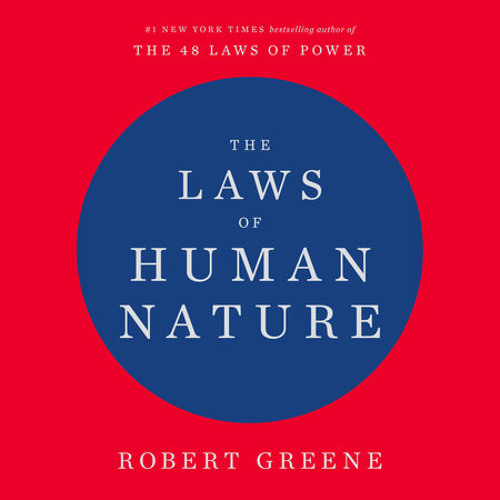
From the #1 New York Times-bestselling author of The 48 Laws of Power comes the definitive new book on decoding the behaviour of the people around you. WINNER OF THE INTERNATIONAL BUSINESS BOOK AWARD 2019.
Robert Greene is a master guide for millions of readers, distilling ancient wisdom and philosophy into essential texts for seekers of power, understanding and mastery. Now he turns to the most important subject of all – understanding people’s drives and motivations, even when they are unconscious of them themselves.
Having such clarity about ourselves and other can change the way we think about others.
Most of us feel like we are always a little below what we need to know; after so much experience and practice these masters feel like they are above the battlefield, looking down. With this perspective, they make better decisions. What surprised me in researching this further was that this superior vision and intelligence resulted from a process that I could describe, one that transcended their field and related to how the human brain operates.
“In a world that is complex, with myriad dangers that loom in the future, our short term tendencies pose a continual threat to our well-being and as our attention spans decrease because of technology, the threat is even greater. In many ways we are defined by our relationship to time. When we simply react to what we see and hear, when we swing from excitement and exuberance to fear and panic at each new piece of dramatic news, when we hear our actions toward gaining as much pleasures as possible in the moment without a thought for future consequences, we can say that we are giving in our animal nature, to what is primitive and potentially destructive in our neurological makeup.”
We are social animals and we need to cooperate with others, we need to communicate and find ways to maintain group discipline like apes do. We need to communicate our emotions: joy, shame, gratitude, resentment, etc. These emotions can be read on people’s faces without words and they can be used to bound a group to another, to remain united in the face of dangers.
We are highly susceptible to other’s moods and behaviours.
The Laws of Human Nature carries within it that motivational undertone. The author hints help the reader to elevate their minds from current realities. This is something you’d find in Jack Cranfield book, The Success Principles(2004). In this bright chapter, he advises us to go through life by understanding that attitude colours our perceptions. With the example of the Russian author, Anton Chekov, the reader is reminded that life is what he/she desires it to be. These little sprinklings some would argue is un-Greene-like. Sentences like “get in the habit of writing your dreams down and pay deep attention to their feeling tone” would read strange to those who only see Greene as that Machiavellian lecturer. However, I would personally argue that this is refreshing.
Good points: well researched and there are a lot of studies I’ve read that support the rationalisations of Green’s behavioural analysis that links us to our primate ancestors.
Bad Points: It sounds like a self-help book at sorts but I suppose understanding yourself can lead to a better you so … it helps.
Whether at work, in relationships, or in shaping the world around you, The Laws of Human Nature offers brilliant tactics for success, self-improvement, and self-defence.
 One Book a Week (Julia Reads Books)