Perhaps the best written of all the slave narratives, Twelve Years a Slave is a harrowing memoir about one of the darkest periods in American history. It recounts how Solomon Northup, born a free man in New York, was lured to Washington, D.C., in 1841 with the promise of fast money, then drugged and beaten and sold into slavery. He spent the next twelve years of his life in captivity on a Louisiana cotton plantation.
After his rescue, Northup published this exceptionally vivid and detailed account of slave life. It became an immediate bestseller and today is recognized for its unusual insight and eloquence as one of the very few portraits of American slavery produced by someone as educated as Solomon Northup, or by someone with the dual perspective of having been both a free man and a slave.
Let them know the heart of the poor slave—learn his secret thoughts—thoughts he dare not utter in the hearing of the white man; let them sit by him in the silent watches of the night—converse with him in trustful confidence, of “life, liberty, and the pursuit of happiness,” and they will find that ninety-nine out of every hundred are intelligent enough to understand their situation, and to cherish in their bosoms the love of freedom, as passionately as themselves.
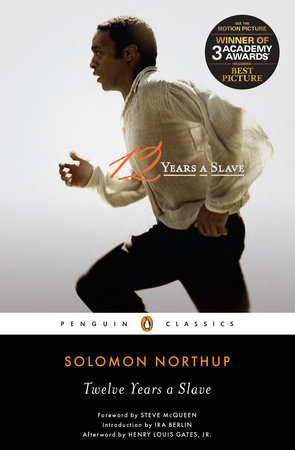
Major motion picture that won the 2014 Academy Award for Best Picture, starring Chiwetel Ejiofor, Michael Fassbender, and Lupita Nyong’o, and directed by Steve McQueen
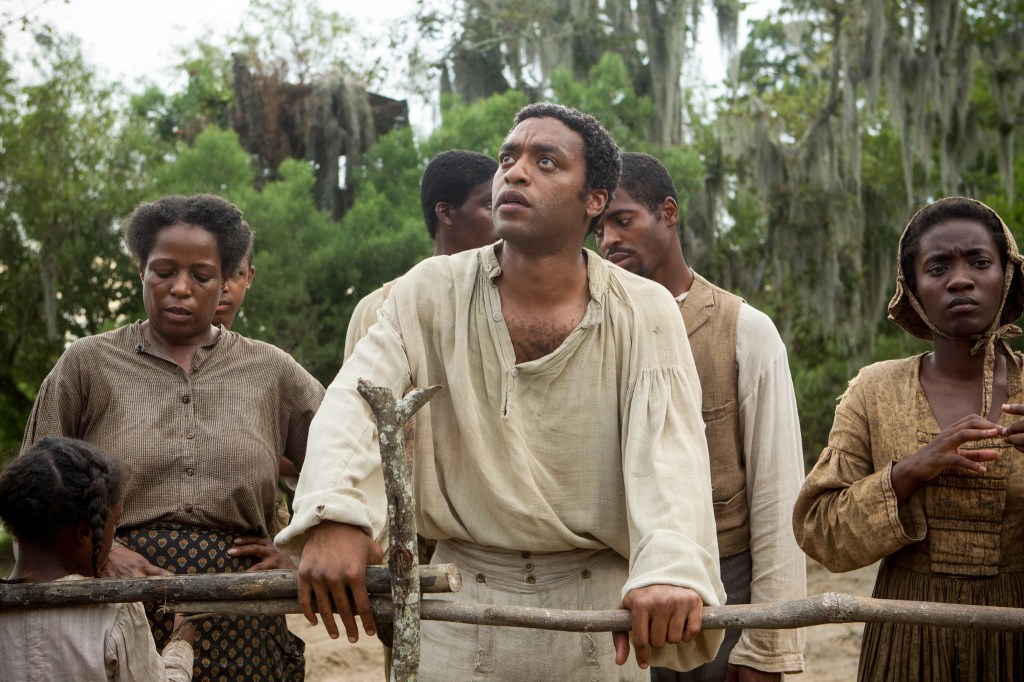
There have been hours in my unhappy life, many of them, when the contemplation of death as the end of earthly sorrow — of the grave as a resting place for the tired and worn out body — has been pleasant to dwell upon. But such contemplations vanish in the hour of peril. No man, in his full strength, can stand undismayed, in the presence of the “King of Terrors.” Life is dear to every living thing; the worm that crawls upon the ground will struggle for it. At that moment it was dear to me, enslaved and treated as I was.
Welcome to one of the best memoirs I’ve read in a while. While its tone is a bit optimistic, it serves as a reflection of the endurance of the human spirit in the most inauspicious of times. The dialogue and the internal monologue serves to bring to the forefront the basic questions that every person should ask themselves. Bass, a white transient worker, asks Epps, a typically cruel slave-owner and Solomon’s third “master,” these questions:
- Is every thing right because the law allows it?
- In the sight of God, what is the difference between a white man and black one?
- Are all men created free and equal as the Declaration of Independence holds they are?
- What difference is there in the color of the soul?
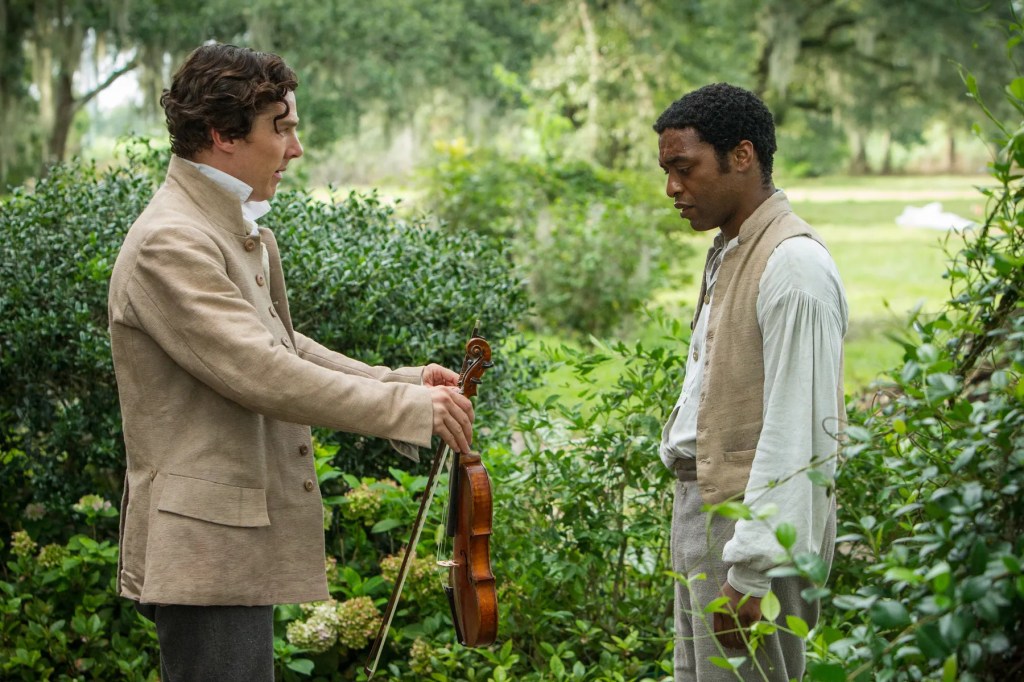
Daily witnesses of human suffering—listening to the agonizing screeches of the slave—beholding him writhing beneath the merciless lash—bitten and torn by dogs—dying without attention, and buried without shroud or coffin—it cannot otherwise be expected, than that [Southerners] should become brutified and reckless of human life.
Over twelve years, Solomon has had plenty of time to observe and witness the brutality of his masters and consider its origins thoroughly. In Solomon’s opinion this system has resulted in a culture where human life is often destroyed and brutalized. It is interesting to note that at this conceptual distance, Northup does not directly blame his cruel masters for their actions. This is not meant to forgive these characters of wrongdoing. But Northup must comment on what he himself witnessed, and that includes summations such as those shown in this quotation.
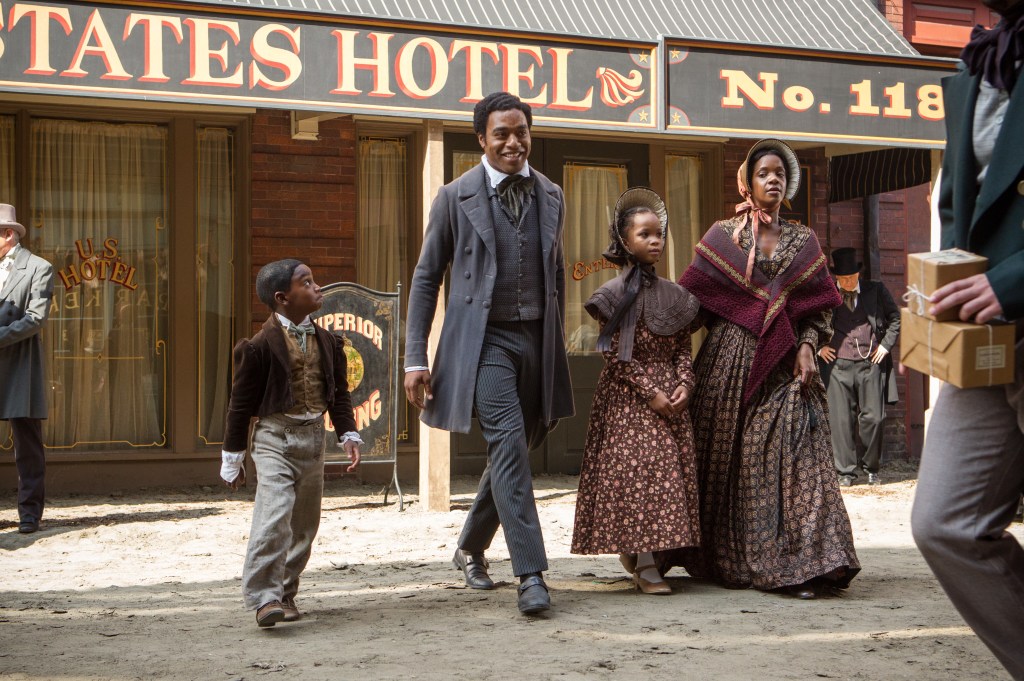
Northup spends the first chapter laying out his life before he was kidnapped and enslaved. He does this to contrast the peace, love, and independence he had while free with the fear, oppression, and trauma of his life while enslaved. He also endeavours to present himself in the most “normal,” relatable, and humble way in order to show Northern readers just how similar to them he is. Just like them, he works hard, loves his wife and children, and enjoys his hobbies. Many abolitionist writers sought to do this very thing: to show their readers that black men and women are people too who are endowed with the same rights as anyone else.
They are deceived who imagine that [the slave] arises from his knees, with back lacerated and bleeding, cherishing only a spirit of meekness and forgiveness. A day may come—it will come, if his prayer is heard—a terrible day of vengeance, when the master in his turn will cry in vain for mercy.
It is interesting to note that Northup wrote his narrative a full seven years before the beginning of the Civil War. Likely Northup is here expressing bitterness and cynicism toward the convenient fictions of his society. It likely upset Northup that many in the North lived inside these fictions and felt that the enslaved Black people were somehow deserving of their enslavement and repeated punishments. Indeed, Northup’s goal is to dispel those fictions and depict enslavement through the raw and terrible truths of his own time enslaved.
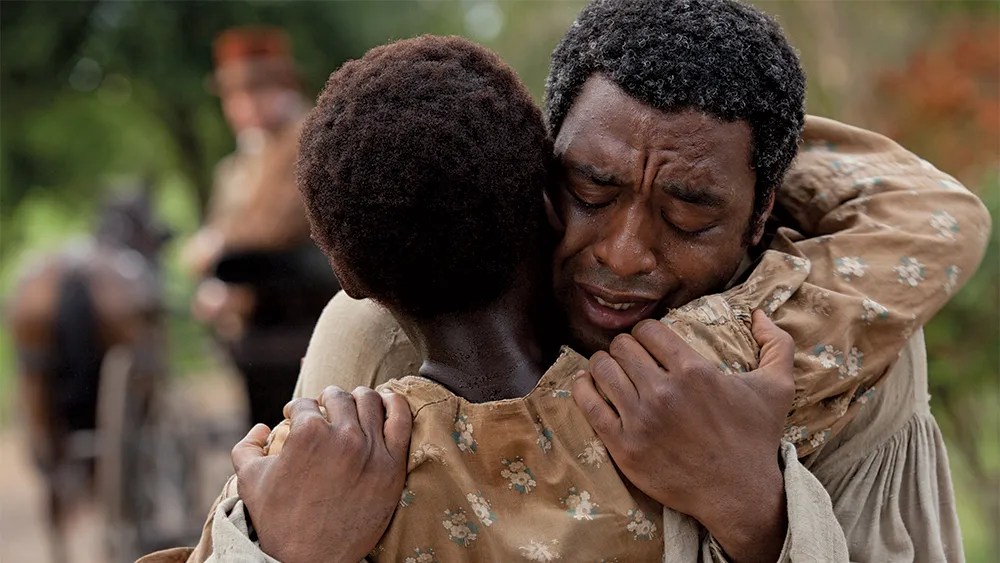
The all-glorious hope, upon which I had laid such eager hold, was crumbling to ashes in my hands. I felt as if sinking down, down, amidst the bitter waters of Slavery, from the unfathomable depths of which I should never rise again.
 One Book a Week (Julia Reads Books)