Thomas Hardy was the son of a stonemason and lacked the means to pursue the university education he desired. When his formal schooling came to an end at age sixteen, he was apprenticed to a church architect, but continued study of the Greek and Latin classics on his own time, began writing poetry and fiction, and, with the publication of Far from the Madding Crowd in 1874, achieved fame as a novelist.
His major novels are set in a region Hardy calls Wessex, an amalgam of the characteristics of modern English districts including Dorset, Wilshire, and Devon. This gives the novels a unity of place and provides an imaginative landscape that nourishes the thematic concerns connecting them: the pervasive indignities of social inequity and class division, the dehumanizing effects of industrialization, the power of the repressive sexual mores and double standards that institutionalize the subjugation of women, the unsettling truth that intellect as much as passion is thwarted by want of privilege. The Wessex scenery grounds the novels in a reality that offers an oddly consoling counterweight to the flights of violence and melodrama that drive their plots and give Hardy’s fiction its distinctive color.
I loved and hated Far from the Madding Crowd with the passion of a new Thomas Hardy reader. I loved the wit, the funny quips, the twists and turns of a well oiled plot wheel but I hated, and I mean HATED the superfluous descriptions of everything surrounding the plot. One page was dedicated to the sound of the grass in the wind. Another page on the colour and patterns of the cows Batsheba was milking. Another page on the sheep that the guy was rearing. Another page on the colour of the trees and how beautiful the scenery was. I wanted the abridged version and not the verbal deluge that was the first half of the book.
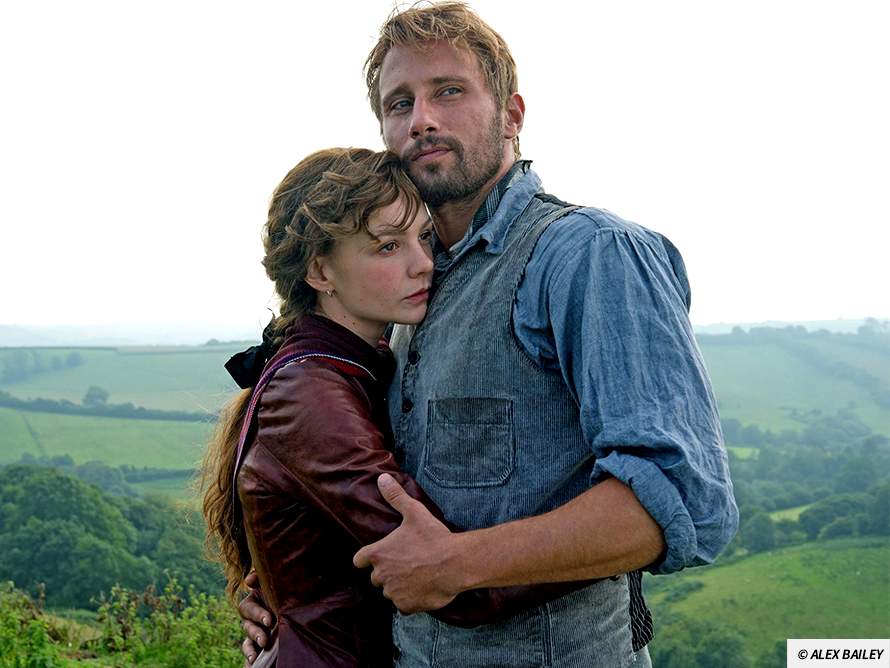
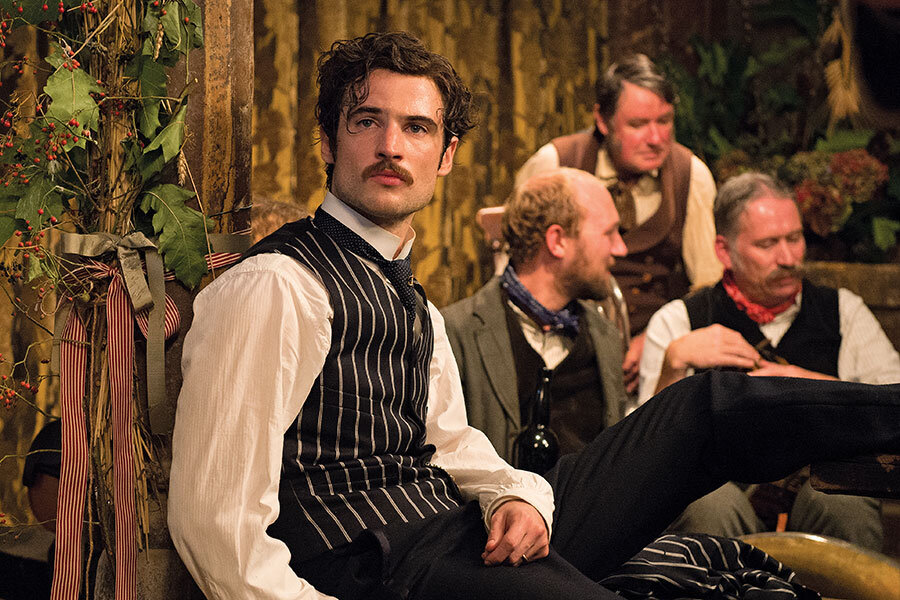
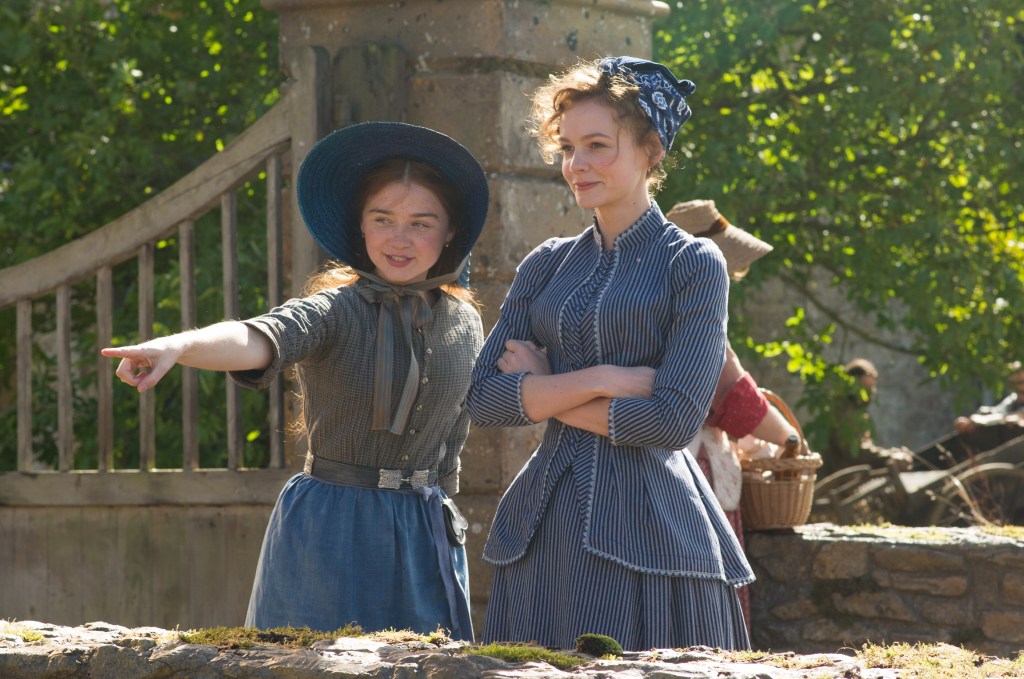
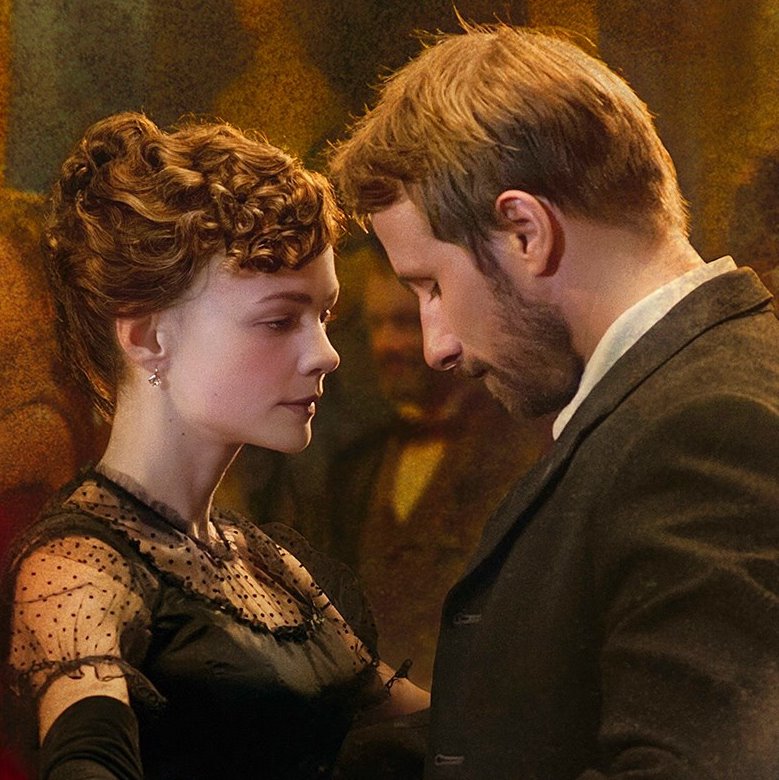
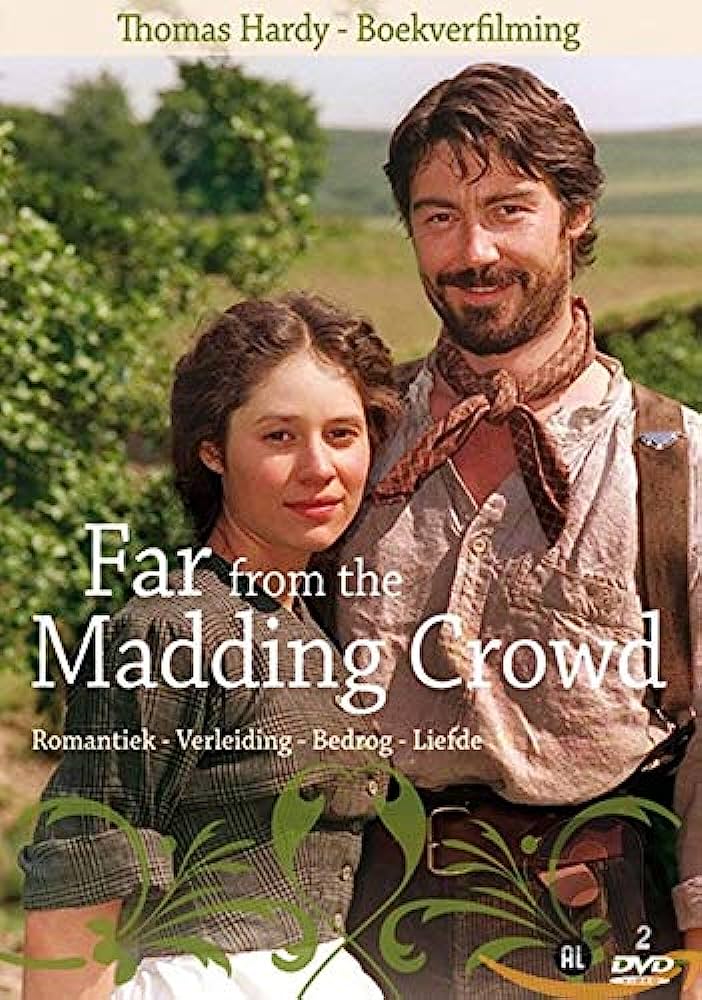
I loved the characters, how alive they seemed and I cared about what they did. But I was so put off by the filler, that I ended up watching the 2015 movie instead and while some of the things were mildly different from the book, the essence was there in 10s of panning shots rather than 50 pages of descriptions.
It is difficult for a woman to define her feelings in language which is chiefly made by men to express theirs.
The plot
Well, what I mean is that I shouldn’t mind being a bride at a wedding, if I could be one without having a husband.
Welcome to the 1900s where feminism was still in its infancy but there was no lack of strong-willed women who can say no when being asked to marry. First by a shepard who wants a wife to spend his days with, raise children and watch her every day when he comes home.
And at home by the fire, whenever you look up there I shall be— and whenever I look up, there will be you.
That won’t do – there needs to be more in order to marry. She – a penniless but smart and well read woman with little prospects since she was fired from her governess job from being too willful. He – a shepard with a farm of his own, bought on credit, a lot wealthier at the start.
Due to a dog’s poor training, his flock falls into a quarry and he has to sell up and he’s now peniless too and has to move. Due to an inheritance from a rich uncle, she is now the one with the money and the farm and the lands. They meet again by chance and she hires him half-heartedly to be her new shepard.
They work well together but she’s now a lady and a woman that has to sell grain and do well with her people. A true powerful woman in a time where there was no such thing.
She was of the stuff of which great men’s mothers are made. She was indispensable to high generation, feared at tea-parties, hated in shops, and loved at crises.
She accidentally jests with her older neighbour by sending him a valentine’s day card with a stamp saying “Marry me” and soon he comes to propose, only to be gently turned down. That doesn’t deter him and he continues to pursue his lovely new neighbourino in hopes she will eventually learn to love him and accept.

Unfortunately Batsheba falls in love with a smart and learned sergeant from the army, and she marries him in haste only to find out he was penniless and worse, he had a gambling problem and a lot of debts.
Bathsheba loved Troy in the way that only self-reliant women love when they abandon their self-reliance. When a strong woman recklessly throws away her strength she is worse than a weak woman who has never any strength to throw away. One source of her inadequacy is the novelty of the occasion. She has never had practice in making the best of such a condition. Weakness is doubly weak by being new.
Soon she finds herself at odds, trying to keep her farm afloat while not going further into debt.
It all comes to a head when her new husband (Troy) is giving some of her money to an old fling of his at the market and after finding out she was also pregnant, he decides to ask for £20 from his wife to elope with his old flame.
Unfortunately she refuses the request and he rides away to meet his lover regardless only to find out she died during childbirth and the baby died too. Because his old lover’s last residence was his wive’s farm, she is sent there only to show Batsheba where her husband’s true love really lied.
It may have been observed that there is no regular path for getting out
of love as there is for getting in. Some people look upon marriage as a
short cut that way, but it has been known to fail.
Troy attempts to kill himself swimming but he’s saved by a fisherman and instead of going home, he travels around for a while as an actor letting everyone believe he is dead. When Batsheba is nearly ready to move on after the mourning period for her husband, he returns having ran out of money and an altercation happens where the love-filled neighbour shoots the husband in an attempt to free her. He goes to jail and she is now a widow once more.
Funny thing with love is, she decides that now is the time to truly follow her heart and marry the shepard, only if she convinces him to ask her again.
This good fellowship – camaraderie – usually occurring through the similarity of pursuits is unfortunately seldom super-added to love between the sexes, because men and women associate, not in their labors but in their pleasures merely. Where, however, happy circumstances permit its development, the compounded feeling proves itself to be the only love which is strong as death – that love which many waters cannot quench, nor the floods drown, besides which the passion usually called by the name is as evanescent as steam.
Good bits: the love story is nice and with many surprises. Hardy has a good insight into how a woman thinks and the workings of decision-making and he has created strong characters before they were a thing.
Bad parts and probably what ruined the book for me: the endless talking. Here’s an example.
To persons standing alone on a hill during a clear midnight such as this, the roll of the world eastward is almost a palpable movement. The sensation may be caused by the panoramic glide of the stars past earthly objects, which is perceptible in a few minutes of stillness, or by the better outlook upon space that a hill affords, or by the wind, or by the solitude; but whatever be its origin the impression of riding along is vivid and abiding. The poetry of motion is a phrase much in use, and to enjoy the epic form of that gratification it is necessary to stand on a hill at a small hour of the night, and, having first expanded with a sense of difference from the mass of civilized mankind, who are dreamwrapt and disregardful of all such proceedings at this time, long and quietly watch your stately progress through the stars. After such a nocturnal reconnoitre it is hard to get back to earth, and to believe that the consciousness of such majestic speeding is derived from a tiny human frame.
and from right at the beginning when I had to google one word I never met.
one who felt himself to occupy morally that vast middle space of Laodicean neutrality which lay between the Communion people of the parish and the drunken section,—that is, he went to church, but yawned privately by the time the congregation reached the Nicene creed, and thought of what there would be for dinner when he meant to be listening to the sermon.
Otherwise, I thoroughly recommend it. Give it a go or watch the movie. Worth it.
 One Book a Week (Julia Reads Books)