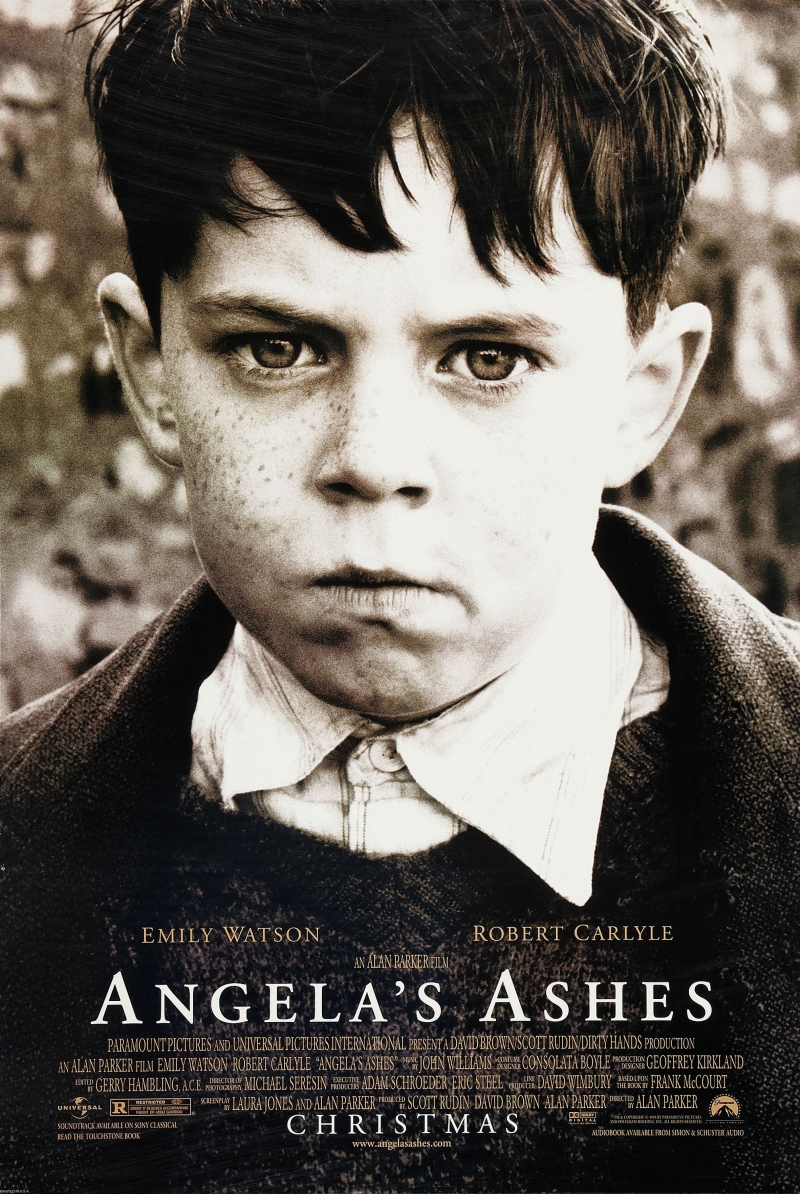
I found this in the charity bin but OMG did it make me laugh. I never knew that Irish poverty and children starving would be so entertaining to read. Please don’t kill me 😉 This book was so good they even made a movie a few years back so if you want to see a poor Catholic Irish childhood and have two hours to spare, please give it a go.
“When I look back on my childhood I wonder how I survived at all. It was, of course, a miserable childhood: the happy childhood is hardly worth your while. Worse than the ordinary miserable childhood is the miserable Irish childhood, and worse yet is the miserable Irish Catholic childhood.”
It is a story of extreme hardship and suffering, in Brooklyn tenements and Limerick slums – too many children, too little money, his mother Angela barely coping as his father Malachy’s drinking bouts constantly brings the family to the brink of disaster. It is a story of courage and survival against apparently overwhelming odds.
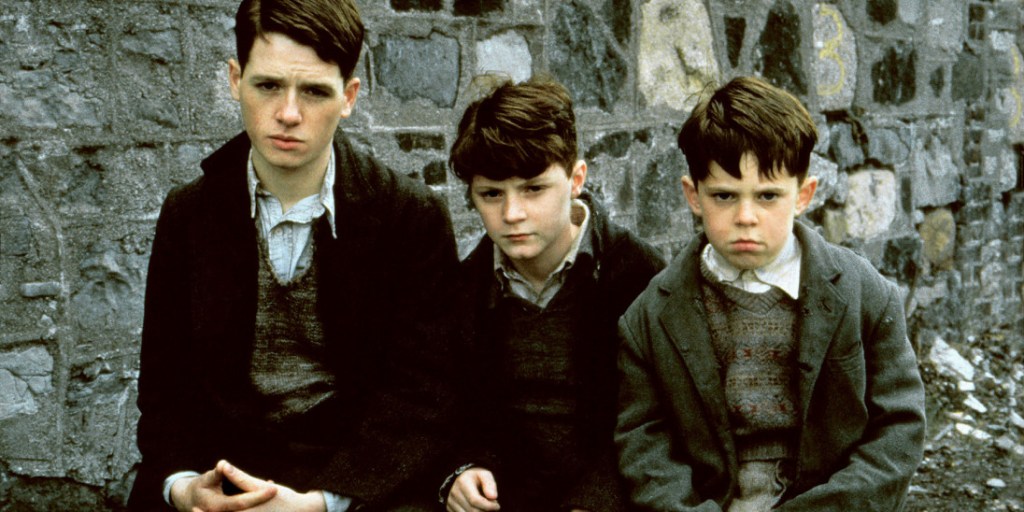
Told entirely from the child’s perspective, the narrative succeeds in drawing the reader into a charmed circle of listeners to a tale of poverty and survival against the odds. Frankie was given up for dead in the fever hospital, refused absolution by priests because he cannot abstain from masturbating and hence is not in a fit state to be absolved. He finds an ‘easy’ priest, but the minister falls asleep during his confession.
Throughout the book, the Catholic religion controls the minds of rich and poor alike, but the rich have other comforts; the poor simply beg and starve and mostly die young. Yet this memoir, which should have been an agonising read, remains buoyant to the end. Frankie’s father is a confirmed alcoholic and mostly absent, leaving his wife Angela to cope with an increasing number of starving infants. I was thinking at one point they should really stop having children. She is shunned from her own family in America after having a boy, two twins and another boy and a girl in quick succession. It’s not helped that the girl dies from SIDS and there are even some rumors that she was sold for some pint money to a rich family. The twins die in Ireland from pneumonia caused by their horrid humid living conditions.
The dad is a typical deadbeat – drunk most of the time – but not violent. Just gone for long stretches, leaving his family of 5 to live on by themselves and rely on charity and begging, ironically – this was above him. He didn’t pick up any coal fallen off the wagon even though that meant no heat and no warm soup for his family.
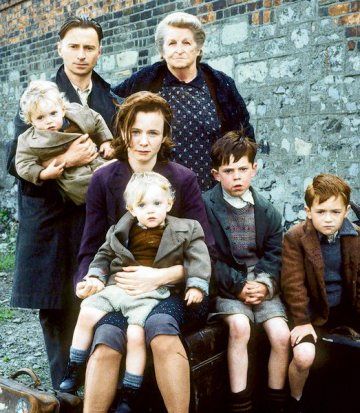
Frankie suffers the loss of his siblings but needs to work to keep alive the remnants of his family in a rat-infested, fleahouse that collapses in a flood. He helps unload the farmers’ carts on market days and ‘at the end of the day they’ll give me vegetables they can’t sell , anything crushed, bruised or rotten in parts.’
At a chapter, when he is 13 going on 14 and he and his family is living in another person’s house, there are some really humiliating and embarrassing scenes which I bet will leave you teary eyed. But also, the writer doesn’t write it seriously. It’s not used as a crescendo moment. It’s the first time where I really discovered the Tragicomic aspect in a book. Its magical to say the least. You feel sad but at the same time appreciate the writing, which kind of makes you even.
The boy manages to borrow books from the library, using Angela’s tickets to read about virgin martyrs ‘who always died singing hymns and giving praise not minding one bit if lions tore big chunks from their sides and gobbled them on the spot.’
“He says, you have to study and learn so that you can make up your own mind about history and everything else but you can’t make up an empty mind. Stock your mind, stock your mind. It is your house of treasure and no one in the world can interfere with it. If you won the Irish Sweepstakes and bought a house that needed furniture would you fill it with bits and pieces of rubbish? Your mind is your house and if you fill it with rubbish from the cinemas it will rot in your head. You might be poor, your shoes might be broken, but your mind is a palace.”
But when the librarian finds him reading Lin Yütang she is horrified and dismisses him from the library for ever because of the use of one word – ‘turgid.’
‘I know now what Mikey Molloy was talking about … that we’re no different from the dogs that get stuck into each other in the streets and it’s shocking to think of all the mothers and fathers doing the likes of this.’
Although now starved of books Frankie survives and graduates from being a telegram boy to a deliverer of newspapers and magazines and finally to writing threatening letters for Mrs Finucane, a rich old lady on her last legs who has him saying prayers for her soul. Then, Pennies from Heaven or in Frankie’s case pounds: ‘The Friday night before my nineteenth birthday Mrs Finucane sends me for the sherry. When I return she’s dead in the chair, her eyes wide open. I can’t look at her … but I take the key to the trunk upstairs. I take forty of the hundred pounds in the trunk … and I’ll add this to what I have in the post office and I have enough to go to America.’ He drinks the sherry and throws the ledger containing a record of debts owed by the poor of Limerick into the River Shannon.
Best piece of advice?
If ever you’re getting a dog, Francis, make sure it’s a Buddhist. Good-natured dogs, the Buddhists. Never, never get a Mahommedan. They’ll eat you sleeping. Never a Catholic dog. They’ll eat you every day including Fridays.

 One Book a Week (Julia Reads Books)