Let me just tell you I loved this book! Maria Weston wants to be friends with me Maybe that had been the problem all along: Maria Weston had wanted to be friends with me, but I let her down. She’s been hovering at the edge of my consciousness for all of my adult life, although…
Maybe that had been the problem all along: Maria Weston had wanted to be friends with me, but I let her down.
She’s been hovering at the edge of my consciousness for all of my adult life, although I’ve been good at keeping her out, just a blurred shadow in the corner of my eye, almost but not quite out of sight.
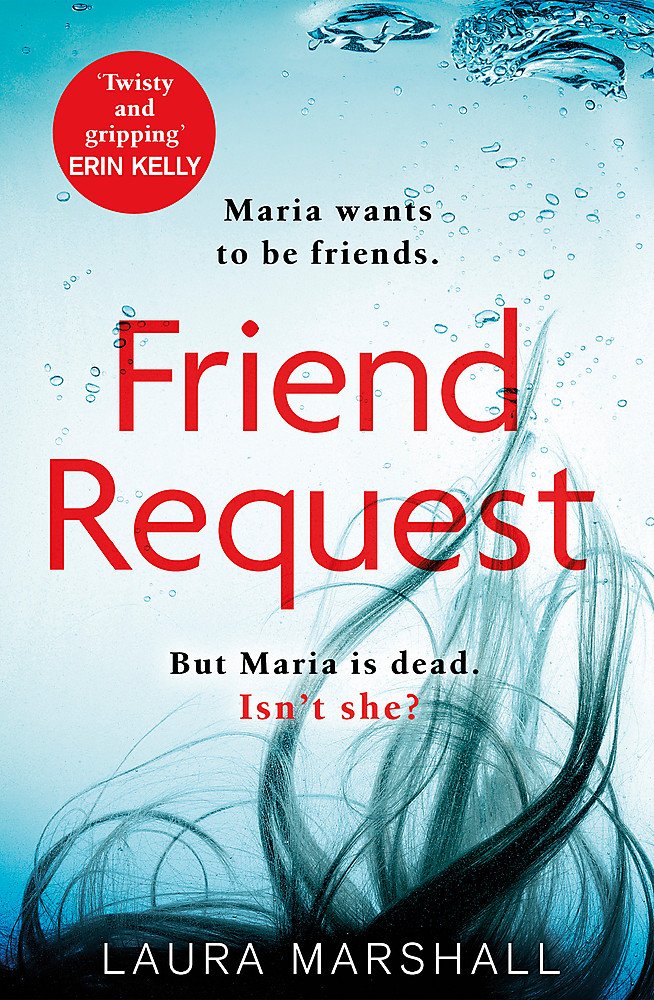
Maria Weston wants to be friends.
But Maria Weston has been dead for more than twenty-five years.
Outside the French windows, my tiny courtyard garden is wearing its bleak late-autumn clothes, paving stones slick with the earlier freezing rain. Chipped plant pots trail the dead brown remains of my doomed summer attempt at growing my own herbs, and the darkening afternoon sky is a dull sheet of slate grey.
Welcome to the suburbia – where the single moms and the cheated housewives have a new worry – the Facebook reunion of old friends and acquintances. The high-school drama re-instated. The Who’s who of adult life.
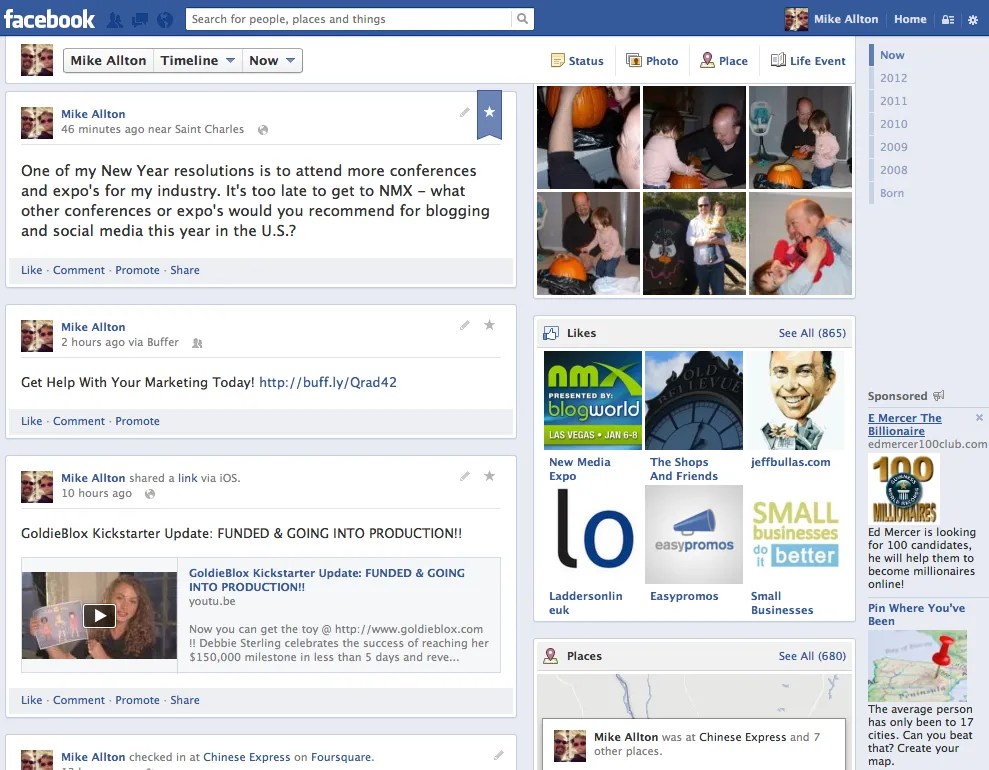
I think about what it will mean if I become Facebook friends with Sophie, and scroll through my timeline, trying to see it through her eyes. Lots of photos of Henry; posts about childcare stresses and working-mother guilt, especially when Henry was starting school and only went mornings for the first two weeks. I wonder if Sophie has children. If she doesn’t, she’s going to find my timeline extremely tedious.
One thing this book did make me do was to go back to Facebook and delete a lot of old posts.
I was one of the awkward teens just like the protagonist. I also had a pretty uneventful life and was always fascinated by the life of others. Facebook offers this voyeurism – where you can look and peep into the public (and on-purpose-public life of others).
While it might not give me much of an insight into what her life is really like, it certainly tells me a lot about how she wants the world to see her. She changes her profile picture once or twice every week, an endless succession of flattering images accompanied by the inevitable compliments from friends of both sexes. One of her male friends, Jim Pett (who appears to be married to someone else) comments on every one: I would, one of them says; I just have, another.
As much as the mystery surrounding the disappearance of their childhood friend, the book seems to invest a lot of time musing on the nature of Facebook and what it means for society – the fake-ness of it all.
I
know that Facebook offers an idealised version of life, edited and primped to show the world what we want it to see. And yet I can’t stifle the pangs of envy at her undimmed beauty, the photos, exotic locations, the comments, the uproarious social whirl, the wide circle of successful friends. There’s no mention of a partner though, nor any sign of children and I catch myself judging her a little bit for this. It seems that even after what I’ve been through I still see it as a marker of success for women: finding a partner, creating life.
I mean if it wasn’t for social media, nobody would know anything about the people they went to school with. We’d all just be getting on with our lives. I’ve actually heard of cases where people have got back in touch with their childhood sweethearts on Facebook and ended their marriages, gone back to their first loves.
What happens when our mental models are built within a culture that wants to avoid negative details? We reduce taboo details to factoids and then model the success without them. Facebook doesn’t emphasize certain sensitive actions.
One other thing the author did really well – was capture the awkward meeting of adult people who only knew each other as teens – full of rage and insecurities.
The mood in the hall is a potent cocktail of nerves and excitement; as the alcohol levels in our collective bloodstream rise, you can feel everyone slipping back into their teenage selves, as if their adult personas were only something they had been trying on for size.
And this is where part of the question comes from – how much can people really and truly grow since high school. Some – not a lot. Some can change appearances like in Anatomy of a Scandal.Others can sport a new job and a new husband that’s really handsome. Others can brag about their kids. Eshter has a really good point as well:
I can’t. I had to show everyone – look at me now with my great career and my husband and my children. How bloody stupid. I should have just put it all on Facebook like everyone else.
You have to brag. To show you’ve become something. Facebook or Highschool reunion. It’s a wonder I’ve skipped the second. I have no need to brag as I know people only brag when they want to impress someone whose opinion they care about. And I know I don’t care about anyone’s opinion other than my own.
The book’s mystery takes you to twists and turns – a new death, a few new leads, a re-opened case. Everyone has a reason to kill someone – that is if they know each other well enough.
I should know better than anyone that things aren’t always what they seem. It’s like when someone tells a story about something that happened when you were there, and it’s not at all how you remember it. It might be they’re telling it a certain way for effect, to make people laugh, or to impress someone. But sometimes that’s simply how they remember it. For them, it’s the truth. That’s when it becomes hard for you to know whether what you remember is the truth, or whether it’s just your version of it.
Whether you like Facebook or not, I thoroughly advise you to read this book – if only to have a sneak peak at girls doing what they do best – bully other girls. And the quiet ones always get the handsome men 🙂
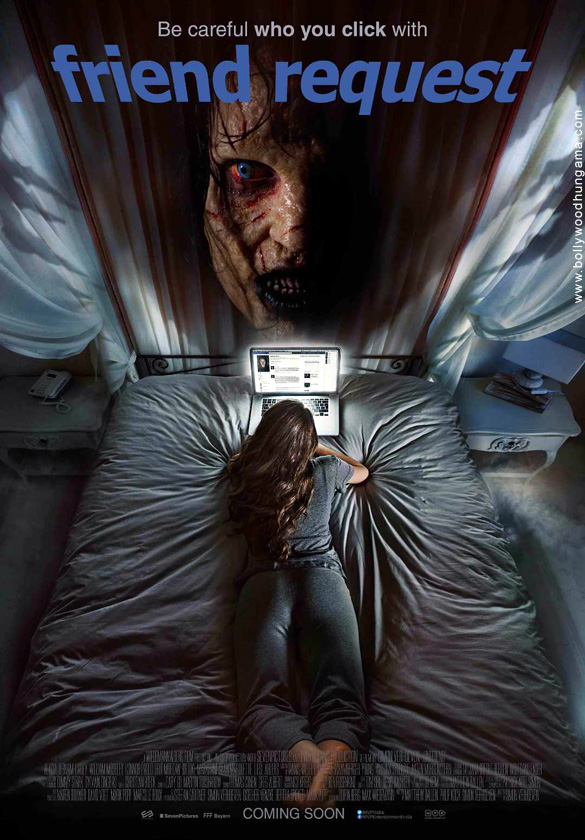
Also – when I started reading the book, I really thought I was reading the book version of a really bad horror movie called Friend Request. It’s not related but a few of the plots seem similar
 One Book a Week (Julia Reads Books)