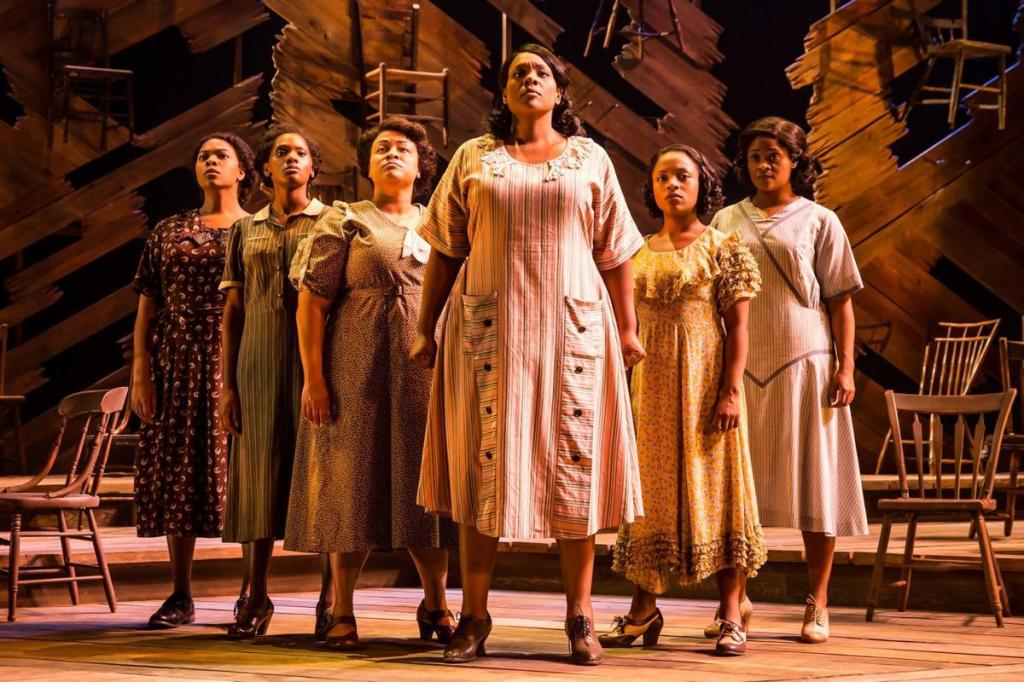
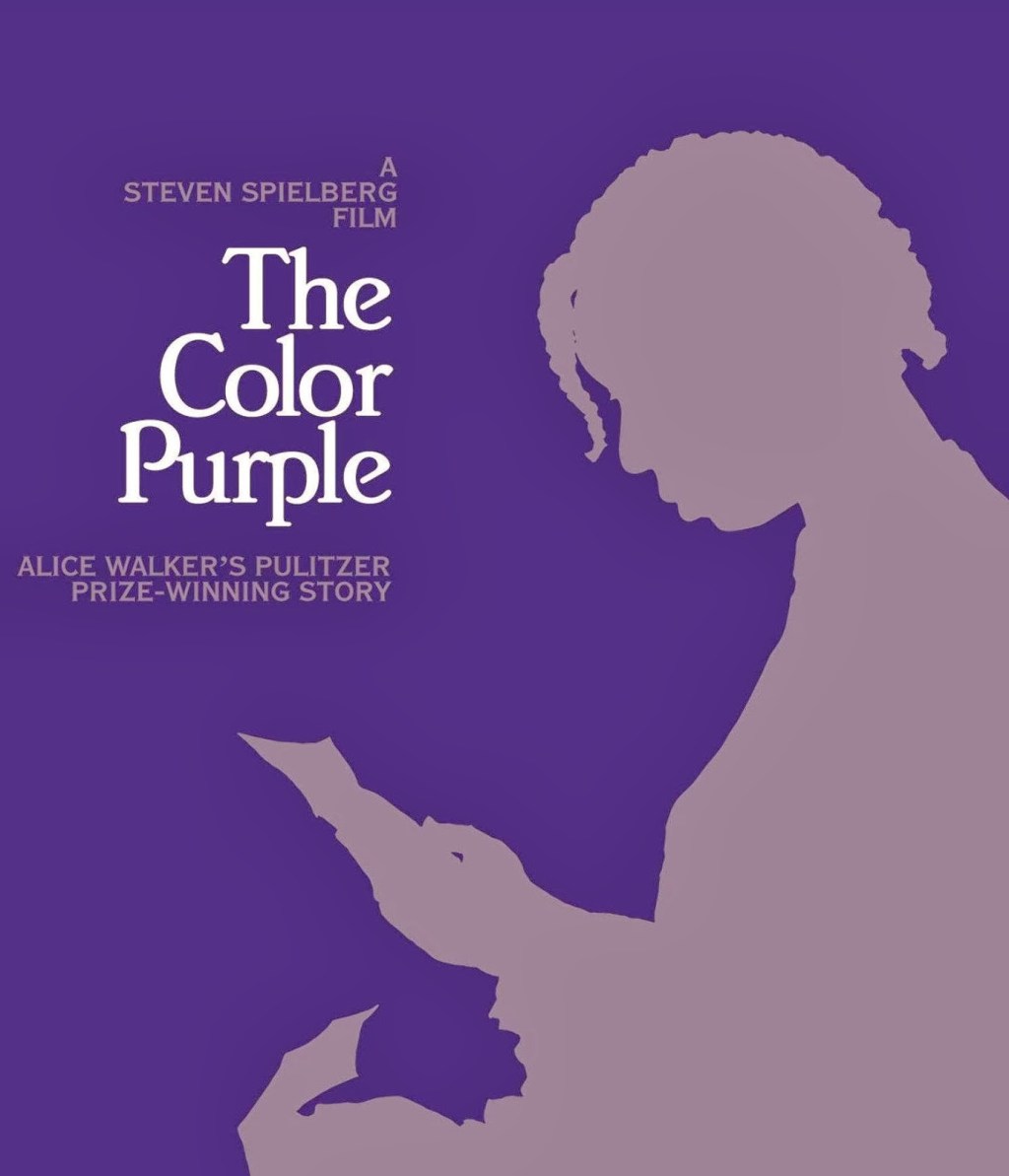
Published in 1982, The Color Purple won the Pulitzer Prize and the National Book Award, and became a cultural phenomenon beyond the literary realm through a feature film and a Broadway musical, both broadly acclaimed.
Dear God,
I am fourteen years old. I am I have always been a good girl. Maybe you can give me a sign letting me know what is happening to me.
Those words belong to Celie, a poor African American girl in rural Georgia in the 1930s. Her letters, first to God and then to her younger sister, Nettie, make up the largest portion of The Color Purple (letters to Celie from Nettie, who escapes from the South and finds work with a missionary group in Africa, make up the rest). From the outset, the epistolary form of the book creates an intimacy that allows the reader to experience the intense emotions of this searing novel through Celie’s voice, by which she marks off in her letters the only space she can claim as her own within the brutal reality of her life. It also helped that I’ve actively listened to this book in audio format while driving long-distance to Scotland and I had to pull over a few times just to have a good cry.

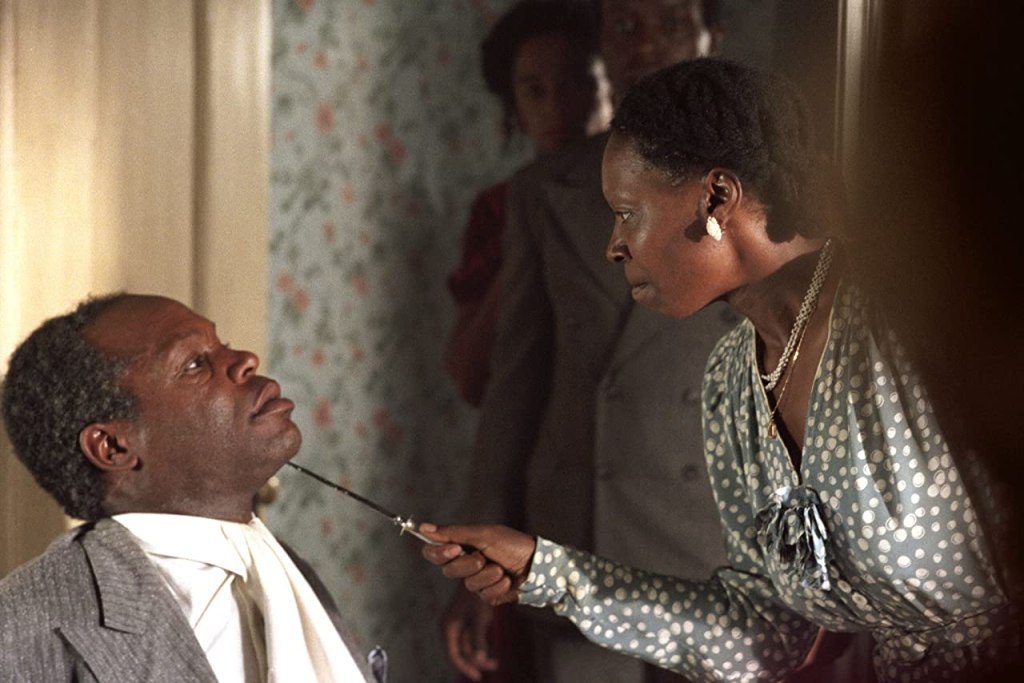
Repeatedly beaten and raped by her father, by whom she bears two children, Celie is married off to another man who is just as violent. As she makes her way into her twenties, she haltingly begins to take some solace from the circumstantial kinship with other women in her orbit. Chief among these are Sofia, wife to Celie’s stepson, whose fearless self-assertion puts her in harm’s way again and again but who never falters for long, and Shug Avery, a glamorous, seductive singer—longtime mistress to Celie’s husband—whose fortitude and loyalty draw from a deep well of personal resourcefulness.
Not the least of Alice Walker’s achievements in this remarkable book is the vividness with which these people are brought to life by the words of the unschooled Celie.

Slowly, through the hesitant articulation of her letters, she discovers a world in which comfort and compassion are present in the influence of these other women. Nettie, absent from her sister’s life for years, joins the circle as well when Shug leads Celie to a large packet of correspondence her husband had hidden from her. Through her sister’s distant but loving intercession, Celie learns unsuspected truths about her past and her identity, prompting her, about two-thirds of the way through the book, to indict the indifference of providence:
My daddy lynch. My mama crazy. All my little half-brothers and sisters no kin to me. My children not my sister and brother. Pa not pa.
You must be sleep.
That’s her last letter to God until the very end of the novel, when the sign she prayed for at the start seems to at last be coming into view.
Although it’s often rightly celebrated for its forthright attention to racism and violence against women, Walker’s book has a moral and emotional power that is not defined solely by specific issues, for Celie’s experience in forging her character in threatening and often terrible situations is as perilous and profound as any soldier’s baptism by fire in a different kind of novel. Harrowing and revelatory, The Color Purple fulfills the intent the author described for it: “to explore the difficult path of someone who starts out in life already a spiritual captive, but who, through her own courage and the help of others, breaks free into the realization that she, like Nature itself, is a radiant expression of the heretofore perceived as quite distant Divine.”
 One Book a Week (Julia Reads Books)