A Visionary’s Testament—in Words and Pictures
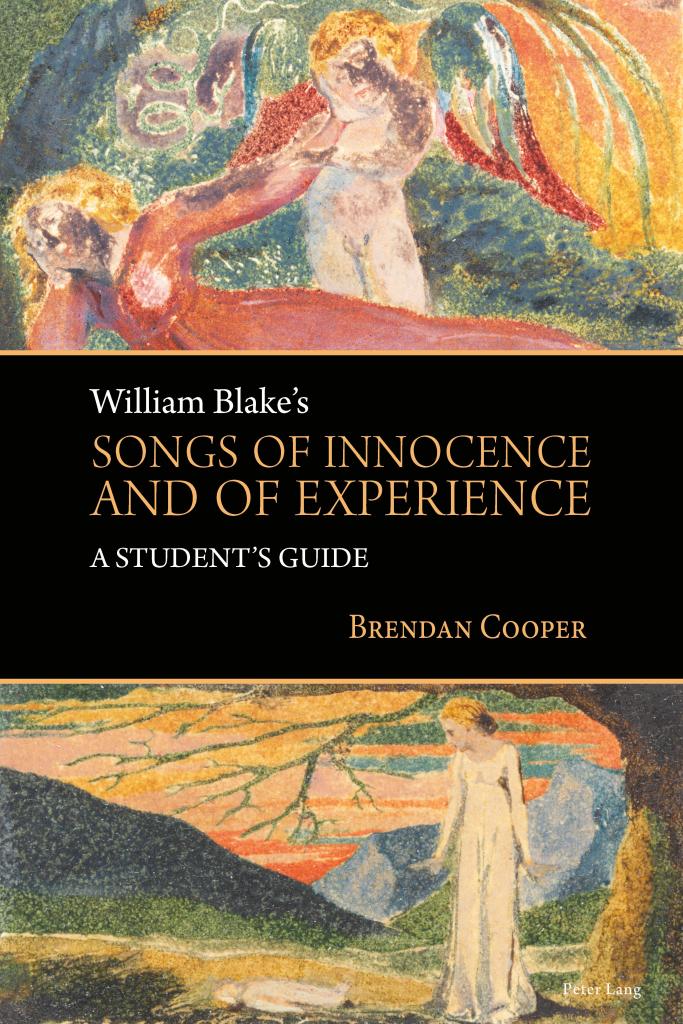
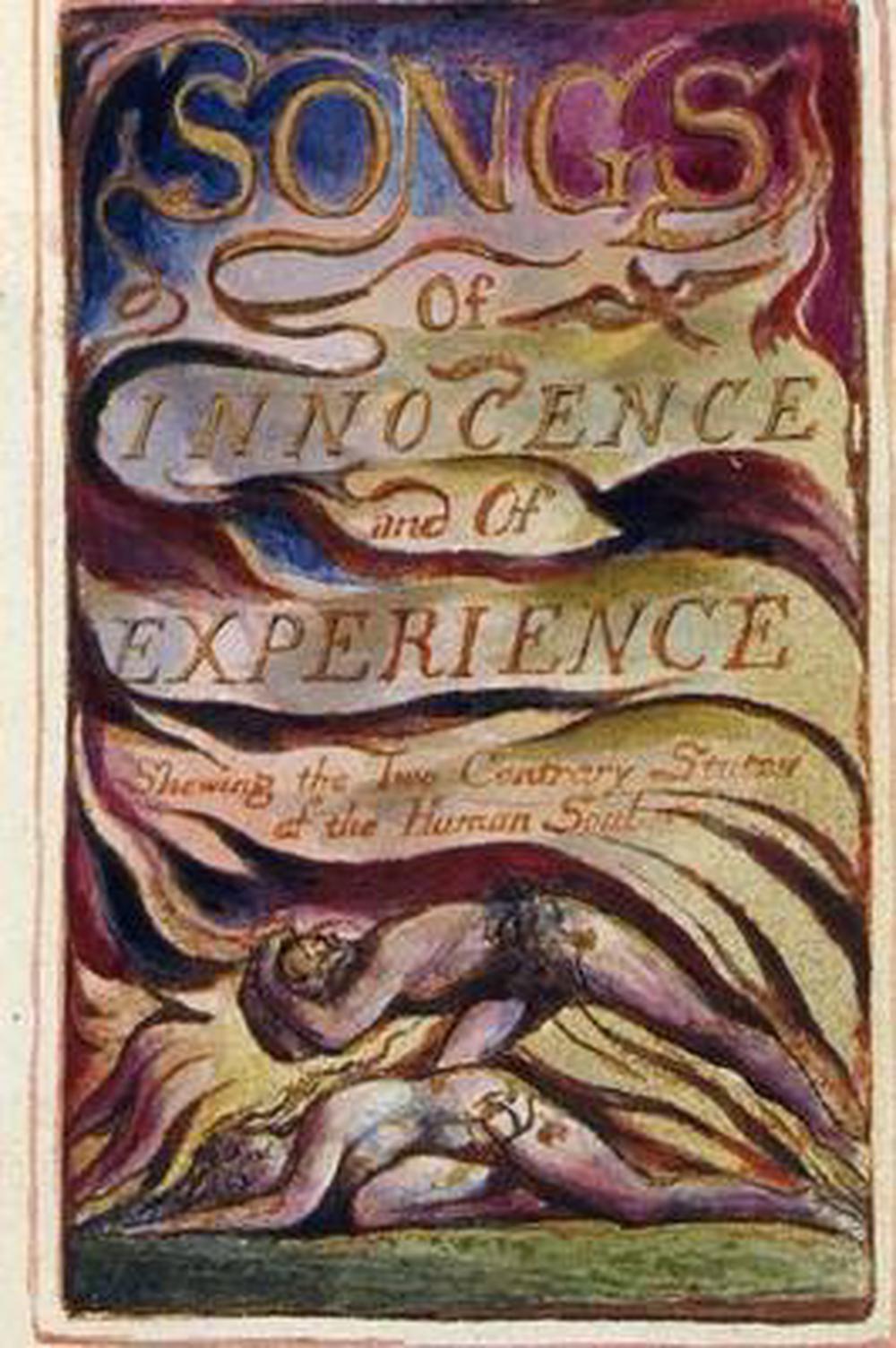
The remarkable thing about William Blake is that he was a visionary genius twice over—he is one of Britain’s greatest visual artists and one of the greatest poets in the English language. He was also a fiercely independent and rebellious thinker: “I must Create a System or be enslaved by another Man’s.” His twofold artistry and unyielding individuality are seen to best effect in his illuminated books, the first of which was Songs of Innocence and of Experience. It is among the most beautiful books ever produced, an unparalleled marriage of word and image. Blake handcrafted the book himself, creating illuminated plates using a singular process that was partly his own invention. According to a scholar of Blake’s work, “he covered a copper plate with acid-proof wax, engraved away the wax from a design that incorporated both text and pictorial illustration, then applied acid so that the design was left in relief. With this plate he printed a page, which he later coloured with watercolours by hand and bound with the other pages to make up a volume.” The result, as anyone who has seen the originals knows, is breath-taking.
Blake intended Songs of Innocence and of Experience to show “the two contrary states of the human soul.” The innocent verses are “happy songs / Every child may joy to hear.” Perhaps the best known of these short lyrics is “The Lamb,” with its nursery-rhyme description of Christ (“He is meek & he is mild, / He became a little child”). The songs of experience are dark, pessimistic, even a bit terrifying. They include several well-known poems, such as “London” and, perhaps most famous of all, “The Tyger”:
Tyger! Tyger! burning bright
In the forests of the night,
What immortal hand or eye
Could frame thy fearful symmetry?
Blake created fifty-four illuminated plates for Songs of Innocence and of Experience. Editions containing full-colour reproductions are readily available and obviously preferred.
 One Book a Week (Julia Reads Books)