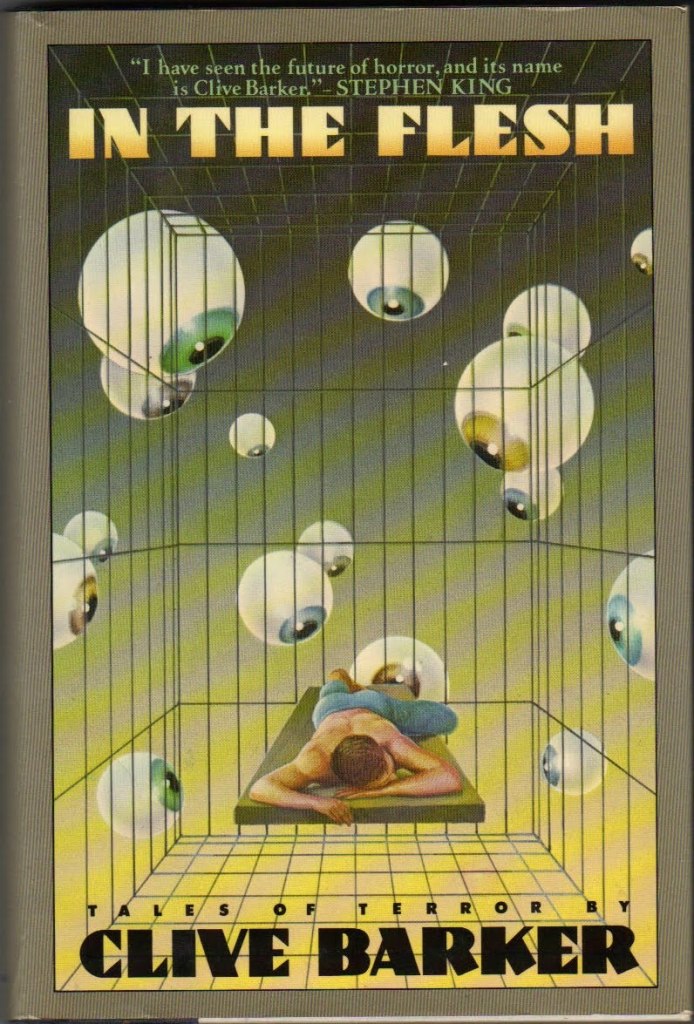
Terrifying and forbidding, subversive and insightful, Clive Barker’s ground-breaking stories revolutionized the worlds of horrific and fantastical fiction and established Barker’s dominance over the otherworldly and the all-too-real. Here, as two businessmen encounter beautiful and seductive women and an earnest young woman researches a city slum, Barker maps the boundless vistas of the unfettered imagination — only to uncover a profound sense of terror and overwhelming dread.
The Forbidden
The Madonna
Babel’s Children
In The Flesh
The Forbidden
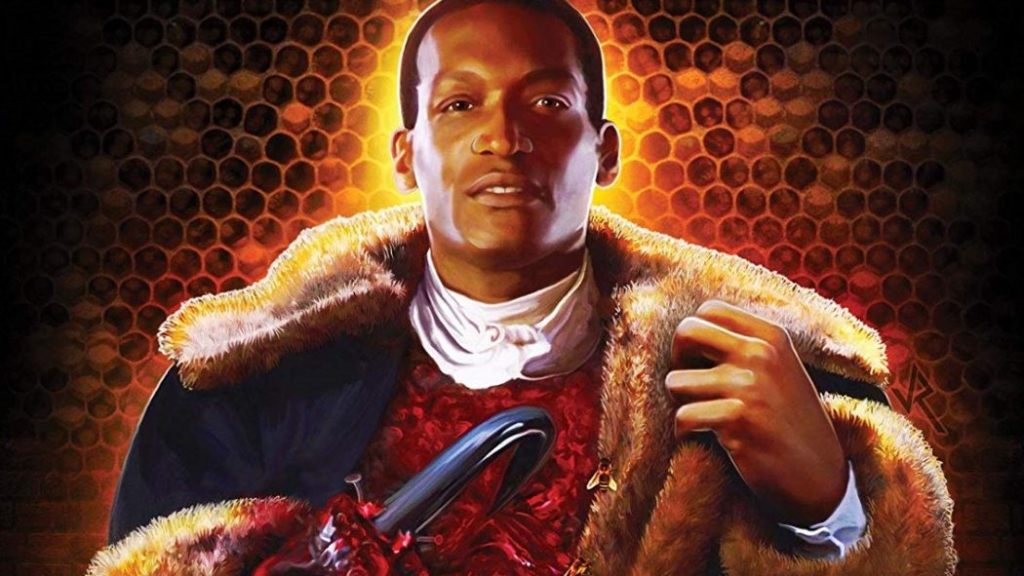
The highlight of the collection is undoubtedly “THE FORBIDDEN”. This is the basis for what is perhaps the MOST UNDERRATED HORROR FILM OF ALL TIME: Bernard Rose’s “Candyman” and the 2021 remake with the same name. The story itself, 60 pages that really do chill the blood and the writing is exquisite from the first sentence.
Like a flawless tragedy, the elegance of which structure is lost upon those suffering in it, the perfect geometry of the Spector Street Estate was only visible from the air. Walking in its drear canyons, passing through its grimy corridors from one grey concrete rectangle to the next, there was little to seduce the eye or stimulate the imagination. What few saplings had been planted in the quadrangles had long since been mutilated or uprooted; the grass, though tall, resolutely refused a healthy green.
It is an urban legend laced with melancholia wrapped in detective Noir, a human investment into something larger than the self.
Helen, the doomed protagonist, looks for an interesting thesis in walls exploded with urban symbols: graffiti. The residents of a dilapidated city complex are all in on a secret conspiracy. The killer mesmerizes, comes from the realms of hell, literally. The personification is so complete in this study on urban decay. The myth baring a hook is more effective than Pinhead! The last paragraph plagues the reader with worry: it seems so possible that evil exists, is indeed a human disease made up of interior and exterior traumas. I almost cried for Helen.
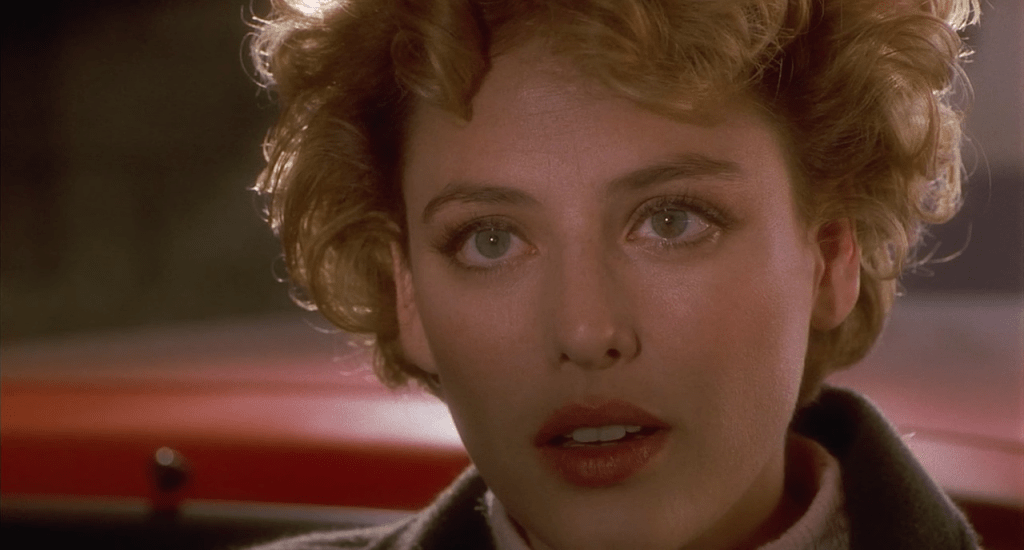
‘I won’t force it upon you,’ he replied, the perfect gentleman. ‘I won’t oblige you to die. But think; think. If I kill you here – if I unhook you…’ he traced the path of the promised wound with his hook. It ran from groin to neck.
‘Think how they would mark this place with their talk… point it out as they passed by and say: “She died there; the woman with the green eyes”. Your death would be a parable to frighten children with. Lovers would use it as an excuse to cling closer together…’
She had been right: this was a seduction.
‘Was fame ever so easy?’ he asked.
She shook her head. ‘I’d prefer to be forgotten,’ she replied, ‘than be remembered like that.’
He made a tiny shrug. ‘What do the good know?’ he said. ‘Except what the bad teach them by their excesses?’ He raised his hooked hand. ‘I said I would not oblige you to die and I’m true to my word. Allow me, though, a kiss at least…’
I read “The Forbidden” and felt immediately that Horror is alive and well (true-this comes to us from the 80s… but one has the instinct to hope).
Stephen King’s constant praises for the British author are not without substantiation. Barker can write circles around King: he practices brevity, brings out strong sexual themes (which of course soon delve into absolute terror), has an outright, singular poetic penmanship. The other stories are pretty good, too.
The Madonna (TW: Rape)
The story about the Candyman, a must read for all aspiring writers, was an A+. The rest involve a doorway to hell in a prison with no relatable characters. The Madonna is about a real-estate developer who is trying to sell a decrepit and run-down building but as he’s doing a tour in the hot and humid insides, he spots a woman.
As the first flare died, he caught an inkling sight of a naked girl in the corridor ahead, watching him. The glimpse was momentary, but when the match dropped from his fingers and the light failed, she appeared in his mind’s eye, perfectly remembered. She was young – fifteen at the most – and her body full. The sweat on her skin lent her such sensuality she might have stepped from his dream-life.
The vision is gone but he can’t get her out of his mind for the days to come. A very young girl. Queue predator jokes now!
Her face had come back to him during dinner with his wife and sex with his mistress. So untrammelled, that face, so bright with possibilities.
The story continues with this guy going backwards and forwards to this place and slowly getting dragged in. His relationship with his wife starts falling apart. There’s a nasty rape scene where he takes her against her will
He closed his eyes. She told him again to stop, this time with real fury, but he just thrust harder – the way she’d ask him to sometimes, when the heat was really on – beg him to, even. But now she only swore at him, and threatened, and every word she said made him more intent not to be cheated of this, though he felt nothing at this groin but fullness and discomfort, and the urge to be rid.
Now that his relationship with Carol is beyond repair, no amount of apologising can make it right. I’m surprise she didn’t go to the police afterwards but hey, it’s a guy’s book.
He goes back to the place where he saw the woman – women to be more precise – and finds that there is this blob they all call the Mother who births and feeds these nymphs. It’s an alien creature – creating mermaids and succubus and other fairies for the myth lovers.
He has sex with one of them but can’t remember the act but there’s definitely something he caught, like an alien STD which deforms his willy.
All he could think of was how many deaths of shame he would die if this vile condition ever saw the light of day.
The story kinda collapses on itself just like the pool with the aliens when the house is demolished to make way for a new construction. I was like wtf happened here? But hey, at least his willy went back to normal and his wife finally left him.
Babel’s Children
Not so much a horror story as a paranoid conspiracy theory. Who do you think is *really* controlling the world governments?
‘Well that’s for our own security, of course,’ Gomm replied. ‘Imagine the chaos if some anarchist group found out where we operated from, and did away with us. We run the world. It wasn’t meant to be that way, but as I said, systems decay. As time went by the potentates – knowing they had us to make critical decisions for them – concerned themselves more and more with the pleasures of high office and less and less with thinking. Within five years we were no longer advisers, but surrogate overlords, juggling nations.
The story Vanessa is presented with can be either the truth or the spewing of a mental asylum inmate – they are all considered violent psychotic killers, guarded by armed forces. But still left to roam the estate freely? To be found by hikers? It’s all frog to me.
In The Flesh

The title piece, “In the Flesh” deals with a petty criminal trapped in a jail cell with a first-time offender who’s messing with more than he bargained for in the spirit of his executed murderer grandfather.
Strange and reclusive, Billy isn’t an easy man to keep safe from the other inmates, but it’s even more tiresome trying to get his new companion to sit still on bizarre questions he’s filled with.
There was a man there: or rather a crude copy of one, its substance tenuous, its outline deteriorating all the time, and being hauled back into some semblance of humanity again only with the greatest effort.
Of the visitor’s features Cleve could see little, but enough to sense deformities paraded like virtues: a face resembling a plate of rotted fruit, pulpy and peeling, swelling here with a nest of flies, and there suddenly fallen away to a pestilent core. How could the boy bring himself to converse so easily with such a thing? And yet, putresence notwithstanding, there was a bitter dignity in the bearing of the creature, in the anguish of its eyes, and the toothless O of its maw.
Soon Cleve is forced to witness some pretty strange stuff, and from there the story skyrockets. Baffling and strange, as Barker’s works typically are, the short tale is blessed with bizarre imagery, unusual characters and an intriguing outcome.
In the most well-ordered of prisons violence could – and inevitably did – erupt without warning. The relationship of two cons, incarcerated together for sixteen hours out of every twenty-four, was an unpredictable thing
The endings a strange little thing, one I never saw coming, but a dark wrap-up that strangely fits.

 One Book a Week (Julia Reads Books)
Leave a comment