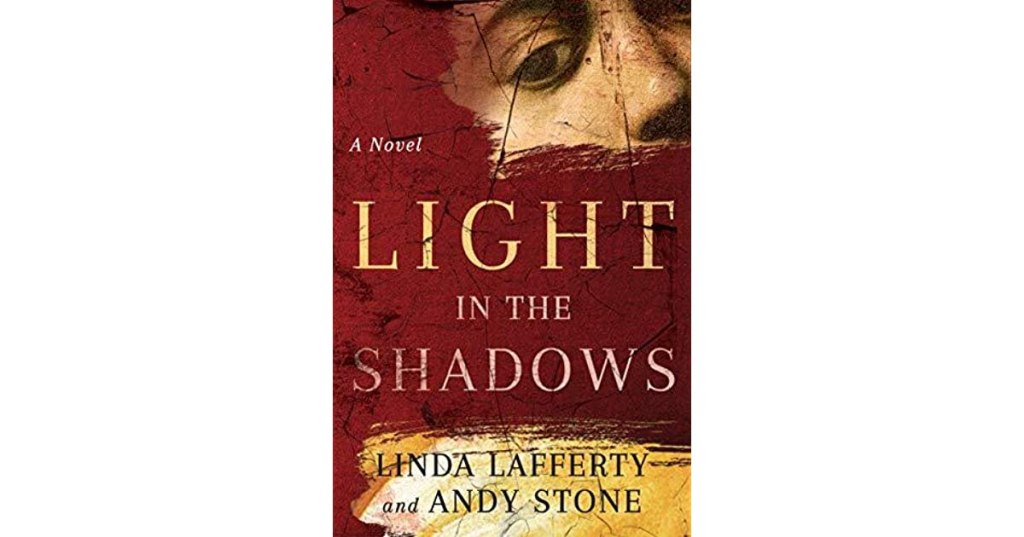
The discovery of a lost Caravaggio painting yields centuries of deadly secrets in this pulse-pounding novel of historical intrigue and modern-day suspense…
In seventeenth-century Rome, an arrogant and reckless artist named Caravaggio drinks and brawls his way through his violent, insatiable life, all while painting some of the world’s greatest religious works of art. But it is his bitter feud with Giovanni Roero, a brutal knight in the Maltese Order of St. John, that is his fatal error.
Now, in the village of Monte Piccolo, a priest claims to have discovered a lost painting by the famed artist in the storage room of an orphanage. Retired professor A. R. Richman believes it’s a delusional dream. But Lucia, a visiting art student, convinces him otherwise and recruits her best friend, Moto, to join in the quest. They think The Judas Kiss is worth investigating. But tracing its provenance back four hundred years could prove to be just as treacherous as the master’s final days.
Richman, Lucia, and Moto begin chasing the mystery, uncovering a blood feud hidden for years that has now spilled into the twenty-first century. As they follow where it leads—down a trail of murder, betrayal, and vengeance—they find a secret history that someone will kill to keep buried.
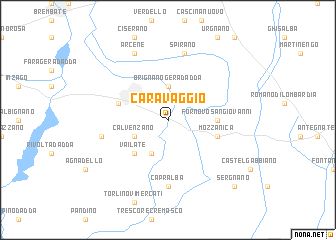
The story begins in VILLAGE OF CARAVAGGIO, LOMBARDIA, 1577, where a young boy witnesses the death of his father by the plague that killed off a third of Europe.
The boy could not cry. He sat stunned, playing the scene of the dying men over in his young mind. He shut his eyes but still saw the mottled colors of their skin, their mouths twisted in agony, the silver translucence of their tears and sweat. He saw dark browns and red, the palette of the night. Michelangelo barely opened his eyes, his sight only a slit through his thick eyelashes. He studied the sunken lines of his father’s face, his lifeless hand. Every minute detail of his father’s corpse was branded in his memory with searing permanence.
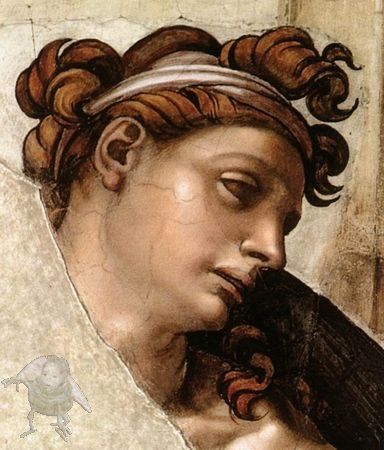
The story moves to Rome, 1600, as twenty-nine-year-old Michelangelo Merisi da Caravaggio is now a recognised painter, focusing on a young man’s half-naked portrait and shockingly getting a stiffy in the first chapter of this book. I was not prepared for this.
He was Caravaggio’s boy. He shared the artist’s bed, his thirteen-year-old body giving the twenty-nine-year-old pleasure when the master wasn’t occupied with the whores of Roma.
Up to modern times, we are told that a new painting from Caravaggio has been discovered: Il bacio di Giuda—The Judas Kiss. Lucia and the professor are going to analyse this new painting prior to the unveiling to ensure that the thing is real.
It’ll make Judith Beheading Holofernes look like recess at play school.”

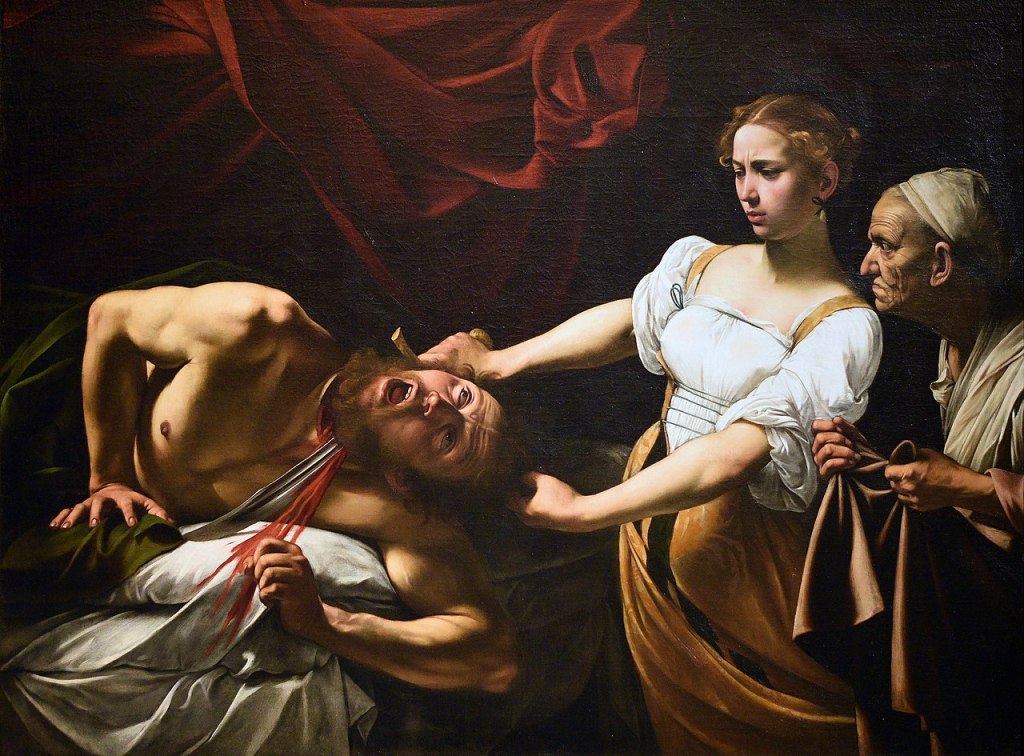
Caravaggio painted real people, even in the most sacred of scenes. The faces of his saints were the faces of workmen and pimps and whores from the streets of Rome. Lesser painters relied on idealized images, distilled perfection: the Bible brought to life, rather than life itself made biblical. And the faces in this painting were exactly that.
The life and times of Michelangelo Merisi da Caravaggio are almost painstakingly brought to the reader’s attention in this historical fiction. Unfortunately, the path to delving into Caravaggio’s life is done so via a subplot that takes place in today’s Italy. The subplot involves the discovery of a “lost” painting of Caravaggio and the ensuing conspiracy to hide it from certain authorities. The bouncing back and forth between present day and 16th century Rome and surrounding city-states became a little frustrating. However, the saving grace was the detail in which Caravaggio and his patrons were described.
There’s a lot of Italian dialogue translated straight after the word/sentence which gets really annoying to read.
“Fattu.” Done.
“Tutt’a ddui?” Both?
“Tutt’a ddui. È quacchi ccosa di cchiu. Quacchi ccosa di valuri ranni.” Both. And something else. Something of great value.
The modern counterpart is much less interesting and probably should be a different book altogether (if it had to be published, that is). The whole thing is done rather superficially and it felt like reading a script of a mediocre film that went straight into video/DVD stores after its second week in theatres.
 One Book a Week (Julia Reads Books)
Leave a comment